Top 10 Sports Injury Recovery Tips That Work?
Recovering from a sports injury rarely follows a perfect timetable. A twisted ankle, strained hamstring, or shoulder tear can change daily movement, sleep, and confidence. Effective sports injury recovery requires patience, accurate assessment, and steady progress. It is not simply about returning to competition quickly.
Sports-medicine physician Dr. David Geier emphasizes, “The goal of rehabilitation is to restore function, not just eliminate pain.” That principle shapes this guide. Pain may decrease while strength, balance, or coordination remain limited. A footballer might jog comfortably, yet struggle during a sudden turn. A tennis player may serve without pain, but lack shoulder control late in a match.
Small details matter.
This article examines ten practical recovery tips that support safer progress. They include professional diagnosis, sensible rest, gradual loading, mobility work, strength training, sleep, nutrition, and return-to-sport testing. Each recommendation should fit the injury, training history, and medical findings. Advice from a qualified physiotherapist or sports physician remains essential, especially after severe pain, swelling, numbness, or suspected fracture.
Some recovery plans fail because athletes confuse discomfort with damage. Others fail because athletes ignore warning signs. I also need to acknowledge a limitation: no universal checklist works for every body or sport. Research guides decisions, but real recovery often requires adjustment. A missed workout is not failure. Returning too soon can create a longer setback. The most reliable approach combines expert supervision, honest self-monitoring, and consistent effort.
Understanding Sports Injuries and Their Recovery Process
Top 10 Sports Injury Recovery Tips That Work?
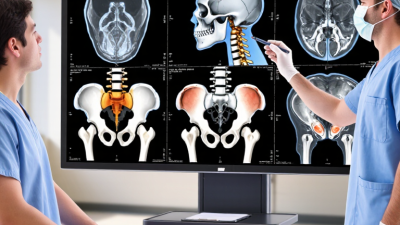
Understanding an injury begins with identifying its cause, not just its painful location. A sudden ankle twist may damage ligaments, while repeated knee pain can reflect training errors or weak hip control. A sports medicine clinician can assess swelling, movement, strength, and stability. Imaging may help, but it is not always necessary. Red flags include severe deformity, numbness, inability to bear weight, or rapidly increasing swelling. Seek medical care promptly.
Recovery usually moves through several stages. Early protection can reduce irritation, but complete rest for too long may slow progress. Gentle movement often returns before full strength. A physiotherapist may prescribe controlled exercises, balance drills, and gradual resistance training. The load should increase carefully. Pain is useful information, but it is not the only measure. Morning stiffness, altered movement, and fatigue also matter.
Return to sport should match function, not impatience. You should tolerate sport-specific movements without sharp pain or compensation. Repeated jumping, cutting, or throwing can expose weaknesses that walking hides. Many athletes rush this phase and lose weeks later. That mistake is frustrating. Recovery is rarely perfectly linear. A bad day does not always mean new damage, but persistent decline deserves reassessment. Sleep, protein-rich meals, hydration, and realistic training gaps support tissue repair, although they cannot replace clinical guidance.
Immediate Steps to Take After a Sports Injury
Top 10 Sports Injury Recovery Tips That Work?
Immediate Steps to Take After a Sports Injury
Stop playing immediately, even when the pain feels manageable. A few extra minutes can worsen bleeding, swelling, or tissue damage. Check breathing, alertness, movement, and visible deformity. Call emergency services for heavy bleeding, severe neck pain, loss of consciousness, or a limb that looks displaced. Do not force the joint back into position. Keep it still and supported. The American College of Sports Medicine recommends prompt assessment when serious symptoms appear. Small decisions matter here.
A suspected concussion requires removal from play. The CDC advises no same-day return after concussion signs, including confusion, dizziness, vomiting, or unusual behavior. Record what happened, when symptoms began, and whether the athlete hit their head. Apply a cold pack through a cloth for short periods. Elevate the injured area when comfortable. Compression may help swelling, but numbness or color changes mean it is too tight. Avoid alcohol, aggressive massage, and “testing” the injury through pain. NCAA injury surveillance reports show that sports injuries remain common across organized athletics, yet early care is still inconsistent. That gap deserves attention. I might underestimate pain, too; adrenaline can hide important symptoms. Seek evaluation from a qualified clinician before restarting training, especially after head, spinal, or suspected fracture injuries.
Building a Safe and Effective Recovery Plan
Top 10 Sports Injury Recovery Tips That Work?
Building a Safe and Effective Recovery Plan
A safe recovery plan starts with an accurate assessment, not internet guesses. The CDC estimates 8.6 million sports and recreation injuries occur annually in the United States. Many involve sprains, strains, or overuse. A clinician should check swelling, strength, movement, and possible tissue damage. Do not train through sharp pain. That decision can turn a manageable injury into a longer absence.
Use a written, criteria-based plan. Record pain, sleep, walking tolerance, and next-day stiffness. Begin with gentle range-of-motion work, then add strength, balance, and sport-specific drills. The International Olympic Committee recommends gradual load progression and monitoring during return to sport. A practical example is a runner walking downstairs comfortably before attempting short jogs. Increase only one variable at a time. Distance, speed, or intensity.
Rest matters, but complete inactivity is not always best. The World Health Organization reports that musculoskeletal conditions affect about 1.71 billion people worldwide, highlighting the need for consistent rehabilitation. Nutrition, hydration, and sleep support tissue repair. A sports dietitian may help when appetite drops after injury. Pain is useful information, though not a perfect scoreboard. I have seen recovery plans fail because athletes hid symptoms to meet a deadline. That pressure deserves honest discussion with the medical team. Reassess weekly, and change the plan when the body disagrees.
Nutrition, Rest, and Rehabilitation for Healing
Top 10 Sports Injury Recovery Tips That Work?
Nutrition, Rest, and Rehabilitation for Healing
Recovery depends on more than stopping activity. Your body needs enough energy, protein, fluids, and micronutrients to repair damaged tissue. Include eggs, beans, fish, yogurt, vegetables, fruit, and whole grains in regular meals. Do not chase extreme diets during healing. They may slow recovery. A sports dietitian can adjust intake for injury severity and training demands. Tip: Keep water nearby, and add a protein-rich snack after rehabilitation sessions.
Rest is active treatment, not wasted time. Sleep supports tissue repair, pain control, and movement quality. Keep a regular bedtime, especially after demanding therapy days. Reduce painful activity, but avoid complete inactivity unless a clinician advises it. Gentle walking or approved mobility work can protect strength. My own recovery expectations would often be too optimistic. Progress is rarely smooth. Tip: Record pain, swelling, sleep, and exercise responses each day.
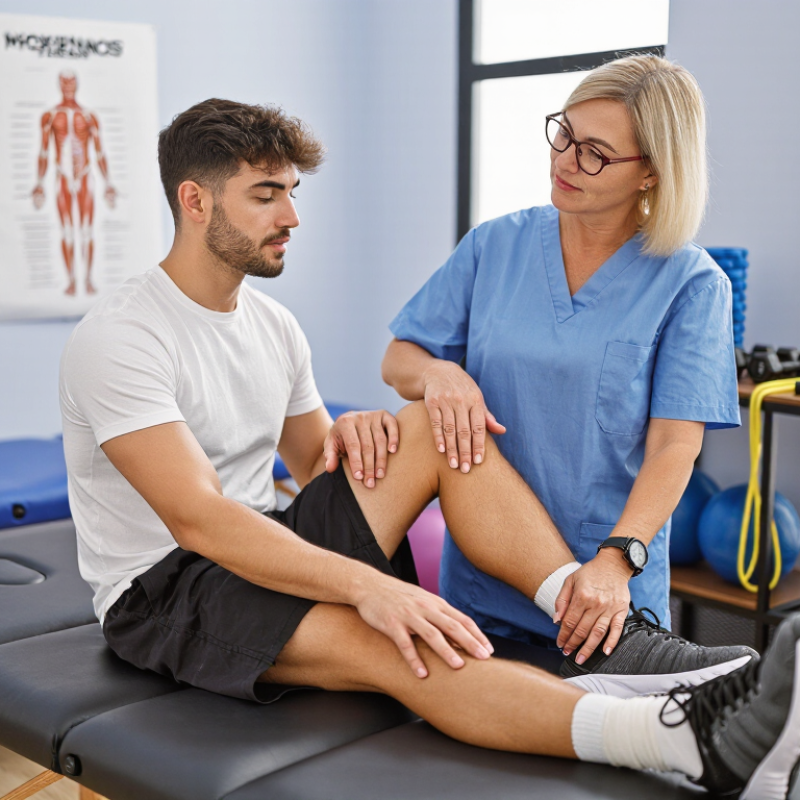
Rehabilitation should follow a qualified physiotherapist’s or sports physician’s plan. Early exercises may restore range of motion, while later work rebuilds strength, balance, and confidence. Increase resistance gradually, not emotionally. Sharp pain, increasing swelling, numbness, deformity, or loss of function needs prompt medical assessment. Do not copy an athlete’s program online. Bodies heal differently. Tip: Return to sport only when movement, strength, and sport-specific tasks meet agreed milestones.
Top 10 Sports Injury Recovery Tips That Work
Approximate recovery windows for common sports injuries. Use relative rest early, restore mobility and strength progressively, and return to sport only when symptoms and function have improved.
These broad clinical ranges are estimates, not guarantees. Recovery depends on injury severity, treatment quality, rehabilitation progress, sleep, nutrition, and medical assessment. Persistent pain, swelling, instability, numbness, or loss of function should be evaluated by a qualified healthcare professional.
Returning to Sports Safely and Preventing Reinjury
Top 10 Sports Injury Recovery Tips That Work?
Returning to sport safely requires more than reduced pain. The NCAA Injury Surveillance Program reports roughly eight injuries per 1,000 athlete-exposures in recent data. That risk makes a gradual return essential.
Begin with walking, mobility, and controlled strength work. Add jogging only when swelling stays absent for 24 hours. Pain is data. Do not ignore it.
A sports physiotherapist should assess strength, balance, coordination, and sport-specific movement.
Many clinicians use 90% strength symmetry as one checkpoint, but it is not automatic clearance. The injured leg must also tolerate landing, cutting, and repeated effort.
Practice those skills at low speed first. Then increase intensity, distance, and decision-making demands across several sessions. Rest days matter, especially after hard rehabilitation.
Prevention training deserves equal attention. A 2014 systematic review in the British Journal of Sports Medicine found strength training reduced sports-injury risk by about two-thirds, while combined programs also produced meaningful protection.
Warm up with dynamic movement, then rehearse the actions your sport demands.
Keep equipment appropriate and replace careless habits, such as training through sharp pain.
Honestly, athletes often progress too quickly. I might too. A written return plan, reviewed by a qualified clinician, helps prevent emotion from making the decision.
Gradual progress is less dramatic, but usually safer.