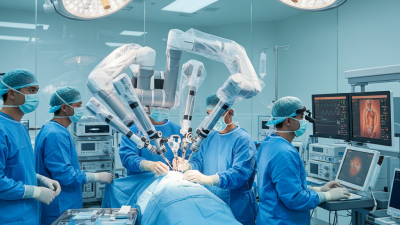
Why Is Medical Device Innovation Crucial for Healthcare Advancement?
The role of medical device innovation is pivotal in driving healthcare advancement. According to the International Federation of Medical and Biological Engineering (IFMBE), the global medical device market is projected to reach $612 billion by 2025. This surge highlights the increasing reliance on innovative medical technologies to enhance patient care and system efficiency. Medical device innovation can lead to improved diagnostic capabilities, better treatment outcomes, and increased patient safety.
Despite these advancements, challenges remain in ensuring equitable access to these innovations. A report by the World Health Organization indicates that about 2 billion people lack access to essential medical devices. This gap underscores the need for strategies that promote accessibility alongside technological progress. As hospitals and health systems strive to adopt the latest technologies, it is crucial to reflect on the disparities in availability and training.
Embracing medical device innovation entails not only technical advancements but also addressing ethical and regulatory concerns. Stakeholders must ensure that innovations meet safety standards while remaining affordable. The future of healthcare hinges on our ability to balance cutting-edge technology with accessibility, thus making medical device innovation essential for a healthier society.
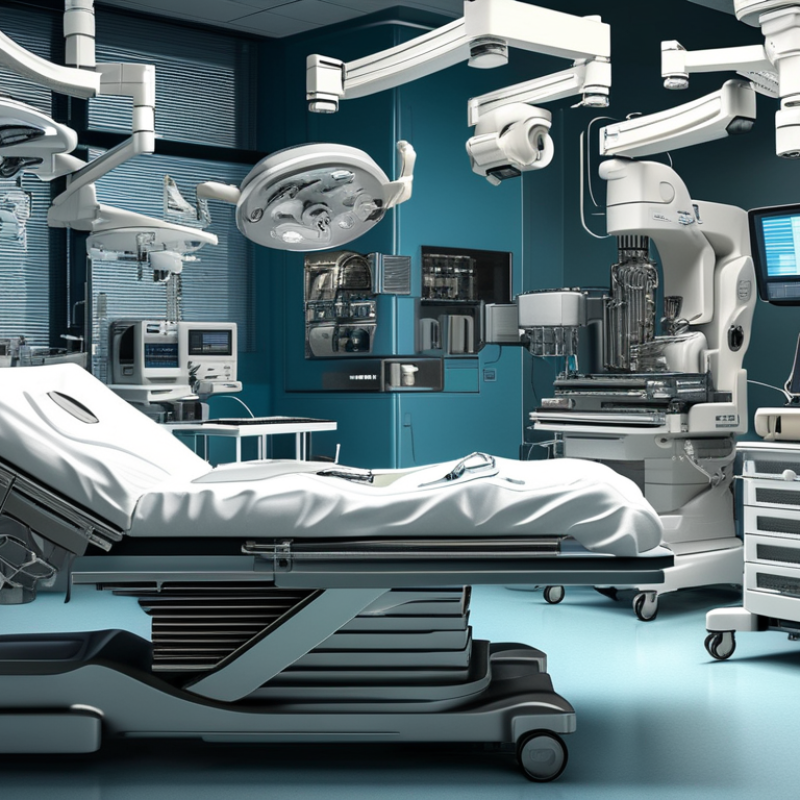
The Role of Medical Devices in Modern Healthcare Ecosystems
Medical devices play a pivotal role in modern healthcare ecosystems. They enhance diagnosis, improve treatment outcomes, and promote patient safety. Technologies like MRI machines and wearable sensors have revolutionized patient monitoring. They enable healthcare providers to deliver precise and personalized care.
Tips: Regular training on new devices is essential for medical staff. Familiarity with technology improves efficiency and reduces errors. Check device performance routinely to ensure reliability in critical situations.
Despite the advancements, challenges remain. Not all medical devices are user-friendly. Some may cause confusion among healthcare professionals. Feedback from users is vital in making improvements. Engaging with frontline workers helps bridge the gap between technology and real-world application.
Tips: Always report device malfunctions immediately. Transparency can prevent repeated issues and enhance device safety. Collaborate with teams to share insights on device usability.
Impact of Medical Device Innovation on Patient Outcomes
Medical device innovation has a profound impact on patient outcomes.
Innovative technologies can enhance diagnostic accuracy. For instance, advanced imaging devices allow for earlier detection of diseases.
This leads to timely treatments, improving survival rates. Moreover, wearable health devices provide continuous monitoring.
Patients receive real-time data, which helps in managing chronic conditions effectively.
However, the rapid pace of innovation can introduce challenges.
New devices require extensive testing and regulatory approvals. Sometimes, the technology outpaces safety oversight.
Furthermore, not all innovations are accessible to every patient. Disparities in healthcare can limit the reach of breakthrough devices.
It raises questions about equity and fairness in healthcare delivery.
Even with these challenges, the push for medical device innovation remains crucial.
Enhancements in technology can lead to personalized care plans.
These advancements may create opportunities for improved patient engagement.
Ultimately, fostering an environment that balances innovation with accountability is essential.
This ensures that the benefits of medical devices are realized by all.
Challenges in the Development of Medical Devices
The journey of medical device development is fraught with challenges. Creating devices that meet regulatory standards is not simple. Stringent guidelines exist to ensure safety and effectiveness. This often leads to longer development times. Companies struggle to balance innovation with these necessary requirements.
Additionally, funding is a major hurdle. Many promising ideas fail due to lack of investment. Startups, in particular, find it hard to secure the capital needed for extensive testing. This stifles creativity and slows overall progress in healthcare advancements. Not every innovative concept receives the backing it deserves.
Collaboration is essential but often lacking. Researchers, engineers, and clinicians must work together. However, communication gaps can hinder progress. Often, feedback loops are inefficient. This results in devices that may not fully address the needs of healthcare providers. There’s always room for improvement in fostering these partnerships.
Future Trends in Medical Device Technology
Medical device technology is rapidly evolving. Innovations aim to improve patient outcomes and streamline healthcare processes. A notable trend is the integration of artificial intelligence (AI) into diagnostic tools. AI can analyze vast amounts of data quickly and accurately. It aids in early detection of diseases, enabling timely intervention. This shift makes healthcare more proactive rather than reactive.
Wearable technology is another exciting development. Devices monitor vital signs continuously, providing real-time health data. They empower patients to manage their health actively. However, there are challenges. Data privacy concerns arise with constant monitoring. Many users worry about how their data will be used. Addressing these concerns is crucial for the acceptance of wearable tech.
Telemedicine has also gained traction due to the pandemic. Remote patient monitoring and virtual consultations have become mainstream. Yet, there is a gap in access to technology. Not everyone has the means to use or understand these tools. This disparity highlights the need for inclusive approaches. Overall, the future of medical device technology holds great promise, but reflection on accessibility and privacy is vital.
Innovation in Medical Device Technology: Market Insights
Regulatory Considerations for Medical Device Innovation
The regulatory landscape for medical device innovation plays a critical role in ensuring safety and efficacy. Regulatory bodies aim to balance the need for swift advancements with patient protection. According to a report by Medtech Europe, the global medical device market is projected to reach $612 billion by 2025, highlighting the increasing demand for innovative solutions. However, navigating the regulatory process can be complex and time-consuming.
Each device must undergo extensive evaluation to meet standards. The FDA, for instance, requires rigorous clinical trials for devices designated as Class III. These evaluations can delay the introduction of potentially life-saving innovations. A 2022 study by Deloitte indicated that only 30% of device manufacturers felt the regulatory environment supported innovation. This points to a significant gap between the need for advancement and the existing regulatory framework.
Moreover, there's an ongoing dialogue about how regulations can adapt to rapid technological changes. With the rise of digital health solutions and artificial intelligence in devices, regulatory bodies face new challenges. Striking a balance between facilitating innovation and maintaining public trust is essential. Ultimately, the future of medical device innovation hinges on this delicate interplay between creativity and regulation.
Why Is Medical Device Innovation Crucial for Healthcare Advancement? - Regulatory Considerations for Medical Device Innovation
| Dimension |
Description |
Importance |
Regulatory Challenge |
| Technological Advancements |
Continuous evolution of technologies used in medical devices for better outcomes. |
Enhances patient care and operational efficiency. |
Adapting regulations to keep pace with rapid innovation. |
| Patient Safety |
Innovation leads to devices that significantly decrease risks during treatments. |
Critical for improving treatment outcomes and patient trust. |
Establishing comprehensive safety standards and testing protocols. |
| Regulatory Approval |
The process required for new devices to be authorized for use. |
Ensures devices are safe and effective before reaching the market. |
Navigating complex submission processes and meeting standards. |
| Market Adaptation |
The ability of devices to adapt to changing market needs and technologies. |
Drives competitiveness and relevance in healthcare solutions. |
Keeping regulatory frameworks flexible enough for new developments. |
| Cost-effectiveness |
Innovations that lower the costs associated with patient care while maintaining quality. |
Promotes wider access to healthcare services. |
Establishing value assessments that satisfy payers and regulators. |