2026 Top Trends in Bone Fixation Systems for Orthopedic Surgery?
In recent years, the field of orthopedic surgery has seen immense advancements, particularly in bone fixation systems. Dr. James Henderson, a renowned orthopedic surgeon, states, “The evolution of bone fixation systems is pivotal to enhancing patient recovery.” These systems are crucial for stabilizing fractures and assisting in the healing process.
As technology evolves, so do the trends in bone fixation systems. Innovations in materials and designs are making these systems more effective. For instance, biodegradable materials are gaining traction for their ability to reduce the need for additional surgeries. This shift reflects a significant move toward more patient-centered care in orthopedic practices.
Despite these advancements, challenges remain. Not all bone fixation systems are universally effective for every patient. The decision-making process can be complex and requires substantial expertise. Ongoing research and clinical trials are essential for addressing these concerns and ensuring safer, more reliable solutions in orthopedic surgery. The journey of improving bone fixation systems is continuous and deserves thoughtful consideration.

Emerging Technologies in Bone Fixation Systems for Orthopedic Surgery
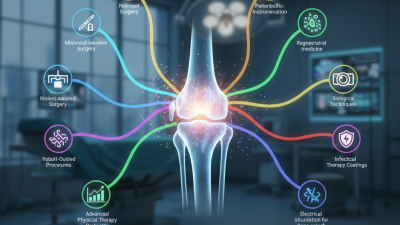
Emerging technologies in bone fixation systems are revolutionizing orthopedic surgery. Advancements such as bioresorbable materials are gaining traction. These materials gradually dissolve in the body, eliminating the need for a second surgery to remove implants. This innovation leads to improved patient recovery and reduced complications.
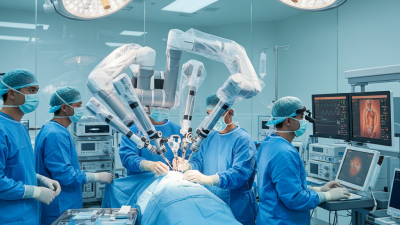
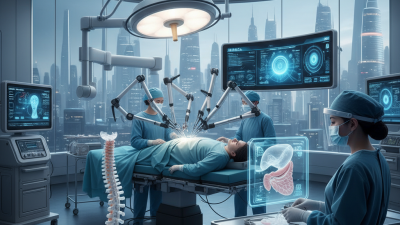
Robotic-assisted surgeries are another exciting trend. Surgeons can now enhance precision during procedures. However, reliance on technology brings its own challenges. Surgeons must undergo extensive training to operate these systems effectively. Additionally, the cost of implementing robotic systems may limit access for some institutions.
3D printing is reshaping custom implants. Surgeons can create personalized solutions tailored to individual patients. Yet, the complexity of 3D printing raises questions. Ensuring the reliability and safety of these personalized devices remains a priority. As the field evolves, ongoing research and feedback are essential to address potential drawbacks.
Advancements in Biodegradable Materials for Bone Fixation Devices
Advancements in biodegradable materials for bone fixation devices indicate a significant shift in orthopedic surgery. Traditionally, metal implants have been the standard, but they pose several challenges, including the need for a second surgery for removal. Biodegradable materials offer a promising alternative, gradually breaking down in the body. This characteristic reduces the risk of complications and eliminates the need for follow-up surgeries.
Recent studies suggest that polymers and composites, made from natural sources, can provide excellent strength and biocompatibility. These materials also allow for the controlled release of drugs, potentially enhancing healing. However, it's crucial to understand the mechanical limits and degradation rates of these materials. They need to match the healing process of bone to ensure they remain stable during recovery. Ongoing research aims to refine these aspects.
Despite their potential, there are challenges that must be overcome. Some biodegradable devices may not perform as well as their metallic counterparts under high-stress conditions. The manufacturing processes for these materials also require further development. Repairs or adjustments during surgery can be more complicated. The orthopedic community must continue to innovate and assess the long-term performance of these materials.
2026 Top Trends in Bone Fixation Systems for Orthopedic Surgery
Innovations in Minimally Invasive Techniques for Bone Repair
Minimally invasive techniques are revolutionizing orthopedic surgery. These advancements are crucial for improved patient outcomes. Data from the American Academy of Orthopaedic Surgeons indicates that minimally invasive procedures can reduce recovery time by up to 50%. This is significant in a field where patient mobility is paramount.
New bone fixation systems are increasingly leveraging these innovative techniques. For instance, intramedullary nails and locking plates are designed to provide stable fixation with smaller incisions. Research shows that these systems not only enhance stability but also reduce the risk of infection. However, the training required for practitioners to adopt these methods can sometimes lag behind technological advancements, creating potential gaps in patient care.
Surgeons must balance the use of advanced techniques with the fundamentals of bone healing. While minimally invasive surgery often leads to fewer complications, improper application can jeopardize outcomes. Real-world cases reveal instances where insufficient experience with new systems resulted in suboptimal results. As the industry progresses, ongoing education remains critical to harness the full potential of these innovations.
Impact of 3D Printing on Custom Bone Fixation Implants
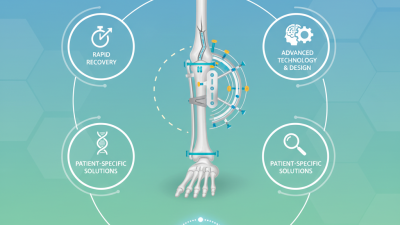
The impact of 3D printing on custom bone fixation implants is transformative. Surgeons can now create patient-specific solutions that enhance surgical outcomes. Traditional implants may not fit perfectly, leading to complications. 3D printing allows for precise adjustments based on individual anatomy. This adaptability reduces surgery time and improves recovery speed.
However, 3D printing in orthopedic surgery is not without challenges. Material selection is crucial. Some materials lack durability, while others may not integrate well with bone. Ongoing research is necessary to find the right balance between strength and biocompatibility. As technology advances, more options will likely emerge, but consistency remains a concern.
The customization potential of 3D printing is remarkable. Implants can be tailored for specific conditions, from fractures to deformities. Yet, this innovation invites careful evaluation. Ethical considerations and long-term effects need further exploration. As 3D printing evolves, orthopedic surgeons must remain informed and cautious about its applications. Balancing innovation with patient safety is essential for future success.
Trends in Smart Bone Fixation Systems and Patient Monitoring
The landscape of orthopedic surgery is evolving rapidly, especially in bone fixation systems. The integration of smart technology into these systems is transforming patient care. These innovations allow for real-time monitoring of healing progress. They can provide alerts to medical professionals if complications arise. Patients will feel more secure knowing they are constantly monitored.
Tips: Regular check-ins with your healthcare provider can enhance the effectiveness of these technologies. Ask about the latest features in your bone fixation system. Understanding how it works can ease your concerns during recovery.
The rise of smart fixation devices also offers new challenges. Surgeons must stay updated on the latest advancements. Training on these sophisticated technologies is essential for optimal outcomes. This knowledge helps to bridge the gap between technology and practical application in the operating room.
Tips: Patients should educate themselves on smart fixation options. Consider discussing them during consultations. Familiarize yourself with potential benefits and drawbacks to make informed decisions about your care.