China Top Surgical Repair Systems Innovations and Developments?
In recent years, the landscape of surgical repair systems in China has witnessed remarkable transformations. According to the latest industry reports, the surgical devices market is projected to reach approximately $35 billion by 2025. This growth is fueled by innovations in surgical repair systems that enhance patient outcomes and streamline surgical procedures.
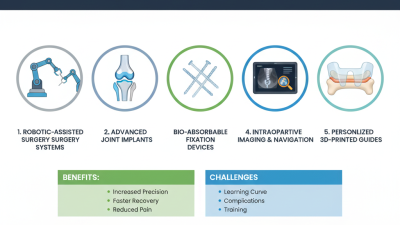
China is becoming a global leader in developing advanced surgical repair technologies. These systems now incorporate robotics, AI, and 3D printing to increase precision in surgeries. Moreover, hospitals across China reported a 20% reduction in recovery times due to these innovative solutions. However, the rapid expansion also raises concerns. Are these advancements being equitably distributed across all regions? The disparity between urban and rural healthcare access remains a critical issue.
Understanding the continual evolution of surgical repair systems is essential. Ongoing research and development must focus on addressing inconsistencies in technology application and ensuring reliable access for all patients. The journey of innovation in surgical repair systems is just beginning, yet it requires a mindful approach to truly benefit the entire population.

Overview of Surgical Repair Systems in China
China's surgical repair systems have seen significant innovations in recent years. A variety of advanced technologies have emerged to enhance surgical procedures. These systems aim to improve patient outcomes and reduce recovery times, reflecting the country's commitment to healthcare advancement.
Improvements in minimally invasive techniques stand out in this field. Surgeons now have access to innovative tools that allow for smaller incisions. This reduces trauma to the body and shortens hospital stays. However, the rapid pace of development raises questions about training and adaptation for medical professionals. Ensuring that practitioners can effectively use these new tools is crucial.
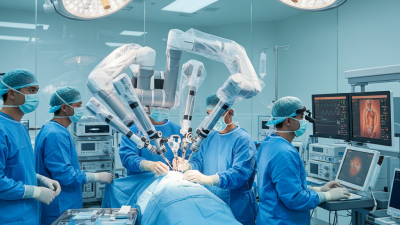
Additionally, the integration of digital technology has transformed surgical practices. Robotic-assisted surgeries enable greater precision. Yet, these advancements may inadvertently widen the gap between urban and rural healthcare access. Ongoing support for training and resources is essential to bridge this divide. Continuous reflection on both the benefits and challenges of these innovations is necessary as the landscape of surgical repair evolves.
Significant Innovations in China's Surgical Repair Technology
China is emerging as a powerhouse in surgical repair technology. Recent reports indicate that the market is expected to reach $12 billion by 2025. Innovations in this field are transforming patient outcomes and operational efficiency. One critical development is the introduction of bioactive materials. These materials enhance tissue integration during surgical procedures.
The use of 3D printing has also gained momentum. This technology allows for custom surgical implants tailored to individual patient needs. A recent survey found that 78% of surgeons believe 3D-printed implants improve recovery rates. However, not all data presents a rosy picture. The cost of implementing advanced technologies can be a barrier for many facilities.
**Tips:** Focus on training for healthcare professionals in new techniques. Emphasize the importance of keeping updated with the latest studies. Collaboration among hospitals can lead to shared resources and faster adoption of innovations. It is vital to continually assess the effectiveness of these new methods, as outcomes can vary.
China Top Surgical Repair Systems Innovations and Developments
| Innovation Type |
Description |
Applications |
Year of Introduction |
| Robotic-Assisted Surgery |
Advanced robotic systems that enhance precision in surgical procedures. |
Minimally invasive surgeries, orthopedic repairs, and cardiac surgeries. |
2019 |
| Biodegradable Sutures |
Sutures that naturally dissolve after healing, reducing need for removal. |
General surgeries, gynecological procedures, and wound closures. |
2020 |
| Smart Surgical Instruments |
Instruments equipped with sensors for better feedback and control. |
Orthopedic procedures, tissue repair, and laparoscopic surgeries. |
2021 |
| 3D Printed Implants |
Custom implants created through 3D printing for individualized fits. |
Joint replacements, cranial repairs, and dental implants. |
2022 |
| AR Surgical Training |
Augmented Reality technologies integrated into surgical education. |
Surgical training for residents and ongoing education for surgeons. |
2023 |
Key Players in China's Surgical Repair Systems Market
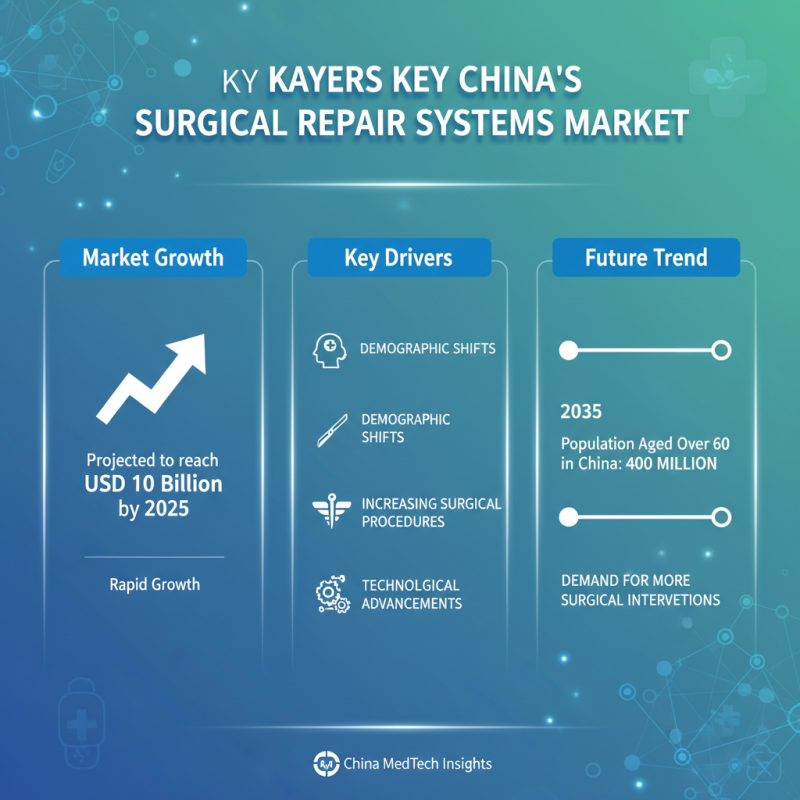
China's surgical repair systems market is growing rapidly. Recent reports indicate that it is projected to reach a value of USD 10 billion by 2025. This growth is driven by demographic shifts, increasing surgical procedures, and technological advancements. The population aged over 60 in China will hit 400 million by 2035. This trend will demand more surgical interventions, thus boosting market potential.
Key players in this sector include leading medical device manufacturers. They focus on innovative technologies such as robotic-assisted surgeries and biocompatible materials. Robotic surgeries have shown a reduction in recovery times and improved precision. However, challenges remain. The integration of these complex systems into everyday practice can be slow and requires significant training for the medical staff. According to industry experts, about 40% of hospitals lack the necessary infrastructure for these advanced systems.
Moreover, there is a notable gap in consistent quality across products. Some devices may not meet international safety standards. As a result, the market might face credibility issues. Thus, a meticulous approach to regulation and compliance is essential. The future of surgical repair systems in China lies in balancing innovation with safety and efficacy.
Recent Developments and Trends in Surgical Repair Systems
Surgical repair systems in China are undergoing significant transformations. The focus is on harnessing advanced technologies to improve patient outcomes. Innovations are emerging in the design of sutures and staplers. Enhanced materials are being used to increase strength and reduce infection risks. These improvements reflect the commitment to patient safety and recovery speed.
Recent trends indicate a shift towards minimally invasive techniques. Surgeons are increasingly utilizing robotic-assisted systems. This allows for greater precision and smaller incisions. Patients experience less pain and quicker recovery times. However, challenges remain. Not all hospitals have access to the latest robotic technology. There are also concerns about training for medical staff. Ensuring that surgeons are qualified to use these systems is crucial.
Biodegradable materials are gaining attention. They offer the potential to eliminate the need for removal after surgery. This technology is still developing and requires rigorous testing. Understanding the effectiveness and safety of these materials is important. As innovation continues, collaboration among healthcare professionals is essential. Sharing insights can advance research and development. Balancing innovation with practical implementation remains a priority in this evolving field.
Recent Developments in Surgical Repair Systems
Challenges and Future Directions for Surgical Repair Innovations in China
Surgical repair innovations in China face unique challenges. The rapid growth of this sector is notable. According to recent reports, the surgical repair market in China is expected to reach $10 billion by 2025. However, this sector must overcome significant hurdles.
One major challenge is regulatory approval. The approval process for new surgical devices can be lengthy and complex. This often delays the introduction of innovative solutions. Additionally, the lack of standardized protocols in hospitals can hinder the adoption of new technologies. Hospitals may hesitate to invest in new systems without clear evidence of efficacy.
Moreover, skilled personnel are essential for advancing surgical repair systems. A shortage of trained professionals in minimally invasive techniques limits growth prospects. Training programs must expand to meet the market's needs. Enhancing collaboration between universities and hospitals can foster expertise. Future directions should include increased investment in research and development to drive innovation. Embracing a holistic approach will ensure that China's surgical repair market remains competitive and effective.