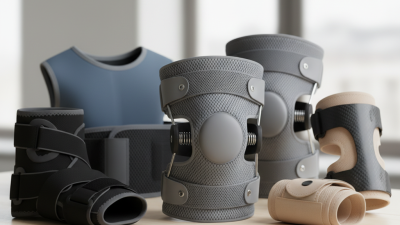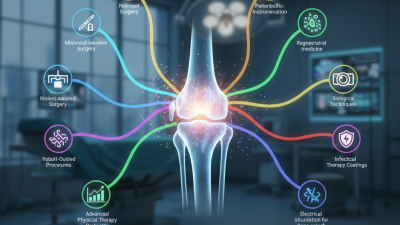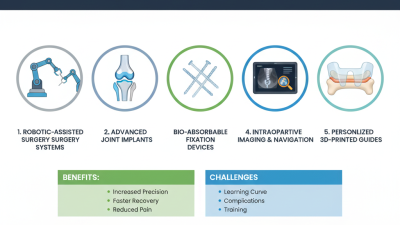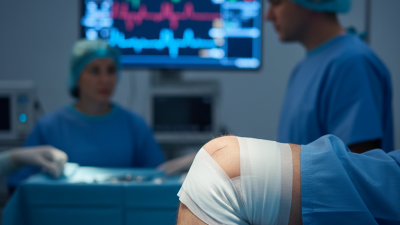
The realm of soft tissue fixation has witnessed significant advancements in recent years, particularly in China. Innovations in this field have been driven by both the demand for improved surgical outcomes and the need for enhanced patient safety. These new techniques promise more effective stabilization of soft tissues, which is crucial in orthopedic and reconstructive surgeries. However, while these methods show promise, they also bring forth questions about their efficacy and long-term reliability.
In examining the top ten innovations, we see a blend of technology and biological understanding. Some techniques utilize advanced materials that promote healing, while others focus on minimally invasive procedures. Each innovation has its strengths, but they also face challenges that warrant examination. It is essential to evaluate both the benefits and potential downsides of these methods to ensure they meet clinical expectations.
As the medical community adapts to these advances, it is clear that soft tissue fixation techniques will continue to evolve. The continuous pursuit of better solutions speaks to the dedication of healthcare professionals. Reflecting on these innovations can inspire further research and development, fostering a future of improved surgical practices.
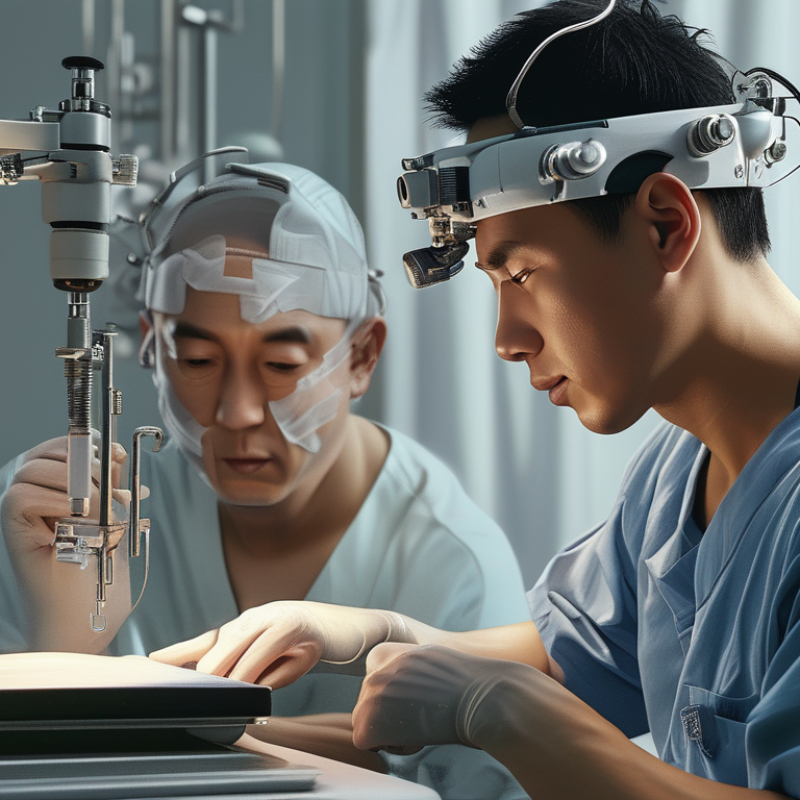
In recent years, soft tissue fixation techniques in China have evolved significantly. The integration of advanced materials and innovative methods has improved surgical outcomes. According to a report by ResearchAndMarkets, the global soft tissue fixation market is expected to grow at a CAGR of 7.5% from 2021 to 2026. This growth reflects the increasing demand for reliable fixation methods in surgeries.
Surgeons are increasingly adopting techniques like knotless anchors and biodegradable fasteners. These methods not only enhance stability but also reduce the risk of complications. However, there are challenges. Some surgeons may find the learning curve steep for new technologies. Observation and continual training are essential for adapting to these advancements.
Tip: Always stay updated with the latest techniques and materials through workshops and seminars. Networking with peers can provide insights into best practices.
Additionally, the rise of 3D printing technology is reshaping soft tissue fixation. Customized implants can significantly improve patient outcomes. Yet, the cost and accessibility of these innovations remain a challenge. This prompts the need for more research into cost-effective solutions that do not compromise quality.
Tip: Evaluate the cost-benefit ratio of new technologies before implementation. Proper budgeting can ensure the sustainability of new practices.
| Rank | Technique | Description | Clinical Applications | Benefits |
|---|---|---|---|---|
| 1 | Bioabsorbable Suture Anchors | Anchors that dissolve over time, facilitating tissue integration. | Shoulder repairs, rotator cuff surgeries | Eliminates need for second surgery to remove hardware. |
| 2 | Knotted and Knotless Suture Devices | Devices for secure tissue fixation without traditional knots. | Ligament reconstruction, arthroscopic surgery | Reduces surgical time and simplifies technique. |
| 3 | Tension-Dependent Fixation Systems | Systems that adjust to physiological tension for optimal healing. | Joint reconstructions, soft tissue repairs | Promotes better healing and reduces complications. |
| 4 | Ultrasound-Guided Suture Techniques | Use ultrasound imaging for precise suture placement. | Various soft tissue surgeries | Enhances accuracy and decreases damage to surrounding tissues. |
| 5 | 3D Printed Surgical Implants | Customized implants designed using 3D printing technology. | Complex reconstructions, trauma cases | Tailored fit improves outcomes and reduces recovery time. |
| 6 | Biological Fixation Techniques | Methods utilizing biological materials for tissue adhesion. | Orthopedic and reconstructive surgeries | Enhances natural healing processes and reduces foreign body response. |
| 7 | Suture-Based Dynamic Stabilization | Techniques allowing for movement while stabilizing tissues. | Spinal surgeries and ligament repairs | Increases joint mobility while maintaining stability. |
| 8 | Pre-Fabricated Soft Tissue Grafts | Ready-to-use grafts for immediate application in surgery. | Cardiac and orthopedic surgeries | Reduces operation time and enhances graft integration. |
| 9 | Smart Stitch Technology | Sutures embedded with sensors for monitoring healing. | Post-operative care and monitoring | Real-time feedback for better patient outcomes. |
| 10 | Magnetically Controlled Fixation | Fixation methods using magnets for adjustable tension. | Orthopedic and trauma surgeries | Innovative approach for real-time adjustment in recovery. |
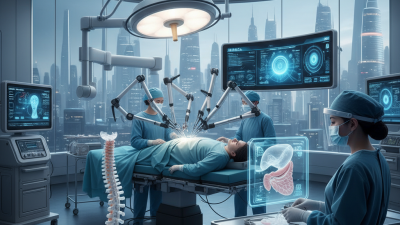
In recent years, soft tissue repair techniques have significantly evolved, particularly in China. A report from the China Medical Device Industry Association revealed that the market for soft tissue fixation has grown at an annual rate of 12%. This growth highlights the increasing demand for innovative solutions in orthopedic and surgical fields.
Emerging trends show a focus on bioresorbable materials. These materials offer the advantage of reducing the need for a second surgery to remove implants. According to the Journal of Tissue Engineering, the use of such materials can also enhance healing. Surgeons are increasingly adopting minimally invasive techniques. These methods often lead to shorter recovery times and less postoperative pain. Research indicates that nearly 65% of procedures are now performed using these advanced methods.
However, challenges remain. Not all bioresorbable materials perform adequately in different tissue types. Surgeons may face difficulties in selecting the right materials. Feedback from the field suggests that more standardized guidelines are needed. Continuous investigation into material properties and long-term performance is crucial for advancement. More clinical trials could provide necessary data, ensuring patient safety and effective healing pathways.
In recent years, advancements in soft tissue fixation techniques have transformed surgical practices in China. Modern fixation devices utilize key materials that enhance durability and biocompatibility. Among these materials, bioabsorbable polymers have gained attention. They provide strong initial support while gradually breaking down in the body. This minimizes the need for additional surgeries to remove implants.
Metal alloys, especially titanium and stainless steel, are still widely used. These provide excellent mechanical strength for various surgical applications. However, their long-term presence in the body can lead to complications. Surgeons must balance material choice with patient safety. Innovative designs now focus on reducing stress shielding, which can cause bone resorption and weaken fixation over time.
The shift towards incorporating advanced composites is notable. These materials can combine the advantages of metals and polymers. They allow for enhanced integration with surrounding tissues. However, challenges remain in ensuring consistency in manufacturing processes. Each case requires careful evaluation of material properties and their implications for long-term outcomes. Therefore, continuous research and development are vital in this evolving field.
In the realm of soft tissue fixation, China's innovative methods are gaining traction. Traditional techniques often rely on sutures and rigid fixation. These approaches can lead to extended recovery times and complications. Data from industry reports indicate that up to 30% of patients may experience issues related to traditional fixation methods, including chronic pain or delayed healing.
Innovative fixation techniques emphasize flexibility and biocompatibility. They use advanced materials that adapt to the surrounding tissue. For example, absorption rates of newer materials can exceed previous standards, dissolving at an optimal pace for healing. Research indicates that these innovative methods result in at least 20% faster recovery times compared to traditional techniques. However, challenges remain, such as the higher initial cost and the need for specialized training in the healthcare workforce.
Despite their potential, some practitioners remain skeptical. Concerns about the long-term efficacy and durability of new materials persist. The shift from traditional to innovative methods will require more extensive clinical data. This transition is crucial, as it may redefine best practices in soft tissue repair for the future.
The landscape of soft tissue fixation is evolving rapidly in China. Researchers are exploring various materials for sutures and anchors. Biodegradable options continue to gain traction. They provide adequate support while reducing the need for removal. This approach minimizes patient discomfort and promotes healing.
Innovations also focus on minimally invasive techniques. Surgeons are adopting new methods that require smaller incisions. This leads to shorter recovery times and less scarring. However, challenges remain in ensuring the reliability of these techniques. There is a need for more extensive clinical trials to prove their efficacy.
Future research is likely to delve into biomimetic approaches. These methods draw inspiration from nature to enhance fixation techniques. Integrating smart materials that can respond to body conditions may be on the horizon. As these innovations progress, ethical considerations will also emerge. Balancing technological advancement with patient safety is essential for ongoing success.