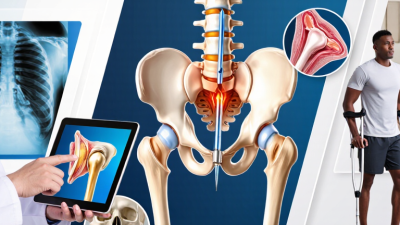
Choosing the best orthopedic surgical devices is not a simple comparison of brands, prices, or polished product brochures. It is a clinical decision shaped by patient anatomy, surgical technique, implant materials, and long-term evidence. A knee implant may look impressive on a sales sheet, yet perform poorly when sizing, fixation, or postoperative care is misunderstood.
Orthopedic surgeon Dr. James Huddleston offers a useful guiding principle: “The patient, not the implant, remains the center of every decision.” This idea should direct every evaluation. Surgeons and purchasing teams should examine peer-reviewed outcomes, design history, sterilization methods, compatibility, and traceability. They should also ask how the device behaves in the operating room. Can instruments be arranged quickly? Are trial components clear? Does the system reduce avoidable handling errors?
Small details matter.
A reliable review also considers the patient’s bone quality, activity level, allergies, infection risk, and revision possibilities. Titanium, cobalt-chromium, ceramics, polymers, and bioabsorbable materials each offer different advantages and limitations. No material is perfect. That deserves honest discussion.
Experience still matters. A technically advanced device may create problems if the surgical team lacks training or support. Manufacturer education, transparent safety data, regulatory status, and independent clinical feedback should therefore be verified. Marketing language can be persuasive, but it is not clinical proof.
The best orthopedic surgical devices are not always the newest or most expensive. They are the devices that match the patient, the procedure, and the team’s proven capabilities. Even this approach needs reflection, because evidence evolves and yesterday’s trusted choice may require reassessment tomorrow.
Choosing the best orthopedic surgical device starts with the clinical problem, not the device catalogue. Fracture fixation plates and screws stabilize broken bone near joints or along long bones. Intramedullary nails support fractures inside the marrow canal, especially in the femur or tibia. External fixators help manage severe swelling, open injuries, or temporary stabilization.
Joint replacement implants serve a different purpose. They replace damaged surfaces in the hip, knee, or shoulder and aim to restore movement and reduce pain. Arthroscopic instruments support minimally invasive procedures, such as repairing torn cartilage or reconstructing a ligament. Bone graft substitutes may fill defects when natural bone is insufficient, although their role depends on defect size, biology, and healing potential.
Device selection should match anatomy, load, bone quality, and the surgeon’s technique. Imaging helps determine dimensions, while documented clinical evidence supports safer decisions. Sterilization methods, instrument compatibility, and postoperative monitoring also matter. A technically advanced device can still fail when sizing is poor or placement is inaccurate. Small details matter.
Clinical teams should discuss risks with patients in clear language. Age, activity level, infection risk, allergies, and previous operations may change the plan. The newest option is not always the most suitable. I have learned that decision-making can remain uncertain, even with good imaging and guidelines. That uncertainty deserves careful review, not confident shortcuts.
Choosing an orthopedic surgical device starts with the patient, not the catalog. The World Health Organization reports that musculoskeletal conditions affect about 1.71 billion people worldwide. Yet this figure hides major differences in age, bone quality, mobility, and comorbidities. A fragile 78-year-old may need a different fixation strategy than a competitive 25-year-old. Pain level matters. So do fracture pattern, tissue condition, and rehabilitation access.
Surgical goals should be written in practical terms. The aim may be stable fixation, restored alignment, reduced blood loss, or earlier movement. Device geometry must match the anatomy seen on imaging. Instrument compatibility also matters during a crowded operation. The National Joint Registry’s 21st Annual Report records more than three million joint replacement procedures since its creation. That scale supports long-term outcome tracking, but it does not guarantee success for every patient. Individual fit still matters.
Procedure requirements deserve equal attention. Surgeons should assess insertion steps, operating time, sterilization controls, radiographic visibility, and revision options. The device should support the planned technique without forcing unnecessary changes. Hospital teams also need traceability and clear training records. Small details matter.
Published studies may exclude complex patients. That limitation should influence confidence. A useful review compares registry findings, clinical trials, safety notices, and local outcomes. It also asks whether the surgical team has experience with the system. Choosing well is not simply selecting the strongest device. It is matching patient needs, surgical goals, and procedural realities with honest clinical judgment.
Device materials strongly influence safety, durability, and tissue response. Titanium alloys offer strength with relatively low weight. Cobalt-chromium resists wear but may feel heavier during implantation. PEEK can support radiographic visibility, although its long-term fixation depends on surface design. Ceramic components may reduce friction, yet they require careful handling because brittleness remains a concern. Biocompatibility testing should align with relevant ISO 10993 evaluations. Material choice must match anatomy, loading demands, and patient factors.
Design features affect both surgical control and long-term stability. In practice, clear instrumentation, tactile feedback, and predictable fit can reduce unnecessary adjustments. Porous surfaces may encourage bone ingrowth, but pore size and manufacturing consistency require close review. Modular components improve flexibility, though additional junctions can create new failure points. Small details matter. Imaging compatibility and accurate sizing also deserve attention.
Performance standards should include fatigue, wear, corrosion, pullout strength, and sterilization validation. ISO 13485-based manufacturing controls can support traceability and process consistency. ASTM testing may provide useful mechanical comparisons, but laboratory results cannot fully predict clinical outcomes. Review independent clinical evidence, not only supplier data. I have found that a technically impressive device may still be awkward in the operating room. That weakness should not be ignored. Surgeons, engineers, and procurement teams should assess the device together, document uncertainties, and revisit performance after real-world use.
Choosing an orthopedic surgical device requires more than comparing specifications. Safety begins with its intended use, patient anatomy, load demands, and possible failure modes. Check clinical evidence, instructions for use, warnings, and traceability records. Regulatory approval should match the device’s exact indication and market. Clearance for one procedure does not support another.
Ask whether the approval comes from the relevant competent authority. Review approval status, post-market alerts, recalls, and reported adverse events. Independent clinical literature can reveal limitations that promotional materials omit. In the operating room, inspect packaging, expiry dates, labeling, and lot numbers. Small documentation gaps can create serious delays.
Sterilization deserves close attention. Confirm whether the device is supplied sterile or requires processing. Review validated methods, exposure limits, packaging integrity, and the maximum reuse cycle. Not every material tolerates repeated heat, chemicals, or radiation. Compatibility also matters. Test the device with instruments, fixation systems, imaging equipment, and other implants used in the procedure. Metal interaction may affect imaging, while dimensional mismatch can compromise fit or stability. A checklist helps, but it is not perfect. Human review still matters, especially when instructions appear unclear or conflicting. When evidence is incomplete, pause procurement and seek documented clarification from qualified clinical, engineering, and regulatory professionals.
| Device Category | Typical Clinical Use | Key Safety Considerations | Regulatory and Evidence Review | Sterilization Requirements | Compatibility Checks | Selection Priority |
|---|---|---|---|---|---|---|
| Bone Screws and Plates | Fracture fixation, osteotomy stabilization, and reconstruction of long bones or small bones. | Assess fatigue strength, risk of loosening, corrosion resistance, soft-tissue irritation, and correct screw length. Confirm that the plate contour and fixation technique match the surgical site. | Verify the device’s applicable classification, authorized indication, technical documentation, instructions for use, and clinical or performance evidence required by the relevant jurisdiction. | Use the validated method specified in the instructions for use. Common hospital methods include steam sterilization for compatible metal instruments and implants; never exceed validated temperature, pressure, or exposure limits. | Check screw diameter, thread design, driver interface, plate hole geometry, instrument set, and material pairing. Avoid unapproved mixing of components from different systems. | High: Mechanical fit and strength |
| Intramedullary Nails | Stabilization of fractures in the femur, tibia, humerus, and other long bones. | Review nail diameter and length, bending and torsional strength, locking-hole accuracy, insertion risks, and potential for malalignment or neurovascular injury. | Confirm authorized anatomical site, fracture indications, maximum load limitations, compatible locking components, and available clinical evidence for the intended patient population. | Implant sterilization must be supplied or validated according to the manufacturer’s instructions. Reusable instruments require validated cleaning, inspection, packaging, and sterilization cycles. | Confirm compatibility among nail length, diameter, targeting guide, locking screws, drill bits, and insertion handles. Verify radiographic visibility and imaging workflow where relevant. | High: System-level compatibility |
| External Fixation Systems | Temporary or definitive stabilization of complex fractures, open injuries, and limb-length or deformity procedures. | Consider pin-site infection, frame stability, loosening, neurovascular risk, patient mobility, and the ability to monitor and care for pin sites. | Review intended use, frame configuration limits, pin and clamp specifications, clinical instructions, and risk controls for reusable components. | Reusable clamps, rods, and instruments require validated reprocessing. Pin and wire components should follow their supplied sterility status and single-use or reuse instructions. | Check rod diameter, clamp interfaces, pin or wire size, tightening tools, and the permitted frame configurations. Confirm that the construct can accommodate the patient’s anatomy and planned imaging. | Moderate: Configuration dependent |
| Joint Replacement Implants | Replacement of damaged hip, knee, shoulder, or other articular surfaces. | Evaluate fixation method, wear, corrosion, dislocation or instability risk, infection prevention, alignment requirements, and implant longevity data. | Confirm authorization for the specific joint and indication, implant size range, surgical technique, clinical performance data, and applicable post-market surveillance information. | Implants are generally supplied sterile or require a specifically validated sterilization process. Packaging integrity, expiration date, and aseptic presentation must be checked before use. | Verify compatibility of the implant, bearing surface, fixation components, trial instruments, and delivery tools. Do not combine components unless their compatibility is explicitly authorized. | High: Long-term clinical risk |
| Spinal Implants | Spinal fusion, deformity correction, stabilization, and interbody reconstruction. | Assess neurological risk, implant migration, subsidence, pseudarthrosis, adjacent-level effects, screw trajectory, and the need for image guidance. | Review the approved spinal level, surgical approach, patient selection, implant dimensions, contraindications, clinical evidence, and required surgeon training. | Follow the validated sterilization and reprocessing instructions for implants and instruments. Pay special attention to narrow lumens, cannulated tools, and difficult-to-clean surfaces. | Confirm rod, screw, connector, cage, graft-delivery tool, and navigation-system compatibility. Check imaging artifacts and clearance for intraoperative imaging equipment. | High: Anatomical and procedural fit |
| Arthroscopy Instruments | Minimally invasive inspection, tissue repair, debridement, and removal of loose bodies. | Inspect cutting edges, insulation, seals, irrigation pathways, sharp-tip integrity, and the risk of retained fragments or fluid-related complications. | Verify intended procedure, reusable-device instructions, cleaning validation, electrical safety information for powered instruments, and any single-use restrictions. | Reusable arthroscopy instruments require point-of-use treatment, thorough cleaning, lumen flushing, inspection, packaging, and validated sterilization. Steam is common only when the device is validated for it. | Check compatibility with the camera, light cable, handpiece, shaver or pump system, irrigation tubing, and cannula diameter. Confirm electrical and connector specifications. | Moderate: Workflow compatibility |
| Powered Saws and Drills | Bone cutting, drilling, reaming, implant preparation, and removal procedures. | Evaluate blade or burr integrity, overheating, vibration, torque control, electrical safety, particulate generation, and accidental activation risks. | Review device classification, intended accessories, maintenance requirements, performance testing, alarm functions, and instructions for use covering the complete powered system. | Many handpieces and accessories require specific cleaning and sterilization cycles. Batteries, motors, cables, and electronic components may have different reprocessing limitations. | Confirm handpiece-to-attachment interface, blade or burr shank size, power source, battery type, irrigation connection, and compatibility with the surgical console. | High: Operational and electrical safety |
| Bone Cement Delivery Systems | Controlled delivery of bone cement during selected fixation and reconstruction procedures. | Consider cement handling time, temperature, pressure, embolic risk, leakage, delivery resistance, and the need for appropriate ventilation and protective equipment. | Confirm authorized cement type, delivery method, anatomical indication, mixing requirements, contraindications, and supporting performance information. | Single-use components must not be reused unless explicitly validated and authorized. Reusable delivery tools require documented cleaning and sterilization procedures. | Check nozzle diameter, cartridge or syringe interface, mixing system, cement viscosity, working time, and compatibility with the intended delivery technique. | Moderate: Material and timing dependent |
| Surgical Navigation and Imaging Accessories | Intraoperative positioning, implant planning, alignment verification, and image-guided orthopedic procedures. | Assess registration accuracy, line-of-sight limitations, tracking errors, electromagnetic interference, radiation exposure, and the consequences of inaccurate guidance. | Verify the system’s authorized use, software version, calibration requirements, cybersecurity controls, user training, and compatibility with the imaging modality. | Patient-contact accessories require the specified sterilization or sterile-barrier method. Non-sterile equipment must be isolated from the sterile field according to facility procedures. | Check compatibility with imaging equipment, tracking markers, reference frames, instrument geometry, operating-room layout, and the implant planning software. | High: Accuracy and system integration |
| Reusable Surgical Instruments | Bone preparation, reduction, positioning, measuring, implant insertion, and removal. | Inspect for cracks, corrosion, deformation, dull cutting surfaces, damaged insulation, retained soil, and loss of measurement accuracy. | Review the device’s reprocessing instructions, inspection criteria, maintenance schedule, maximum reuse limitations if specified, and training requirements. | Follow validated cleaning, disinfection, packaging, and sterilization procedures. Instruments with hinges, cannulations, or complex surfaces require special attention during cleaning. | Confirm that instruments match the implant system, size range, surgical technique, power source, and tray configuration. Verify calibration for measuring tools. | Standard: Reprocessing control |

Evaluation note: Regulatory requirements, device classifications, sterilization parameters, and clinical evidence requirements vary by jurisdiction and device type. Always verify the current authorization, instructions for use, and validated reprocessing procedures before clinical use.
Selecting an orthopedic surgical device should begin with the procedure, not the catalog. The surgeon and operating-room team should define the required function, tissue access, control, and compatibility. A device must fit the patient’s anatomy and the surgical technique. It must also support clear handling under pressure. Small details matter, such as grip texture, instrument balance, and visibility near the incision.
Evaluation should combine clinical evidence, staff experience, and documented quality information. Check material safety, mechanical strength, measurement accuracy, and compatibility with existing equipment. Review cleaning instructions and applicable medical-device requirements before purchase. Ask whether technicians can inspect, repair, and replace the device reliably. A low purchase price may become expensive when training, repairs, or repeated replacement are included. It should withstand real use.
Maintenance begins immediately after the procedure. Remove visible soil according to the approved reprocessing procedure. Inspect hinges, cutting edges, insulation, connections, and alignment under adequate light. Then complete validated cleaning, sterilization, drying, and storage steps. Keep service records, inspection dates, and staff training logs. A damaged case or missing component should stop the device from returning to service.
No selection process is perfect. A checklist can still miss a handling problem during a long operation. Teams should collect feedback after use and review unexpected wear, delays, or discomfort. Sometimes, the most practical device is not the newest one. Evidence, careful observation, and disciplined maintenance usually provide better protection than marketing claims.