Why Are Hip Arthroscopy Procedures Recommended?
Hip arthroscopy procedures are recommended when a painful hip problem can be evaluated and treated through small surgical openings. Orthopaedic surgeons may consider this approach for conditions such as femoroacetabular impingement, labral tears, loose cartilage, or selected cartilage injuries. The aim is practical: reduce pain, protect joint function, and help patients return to meaningful activities.
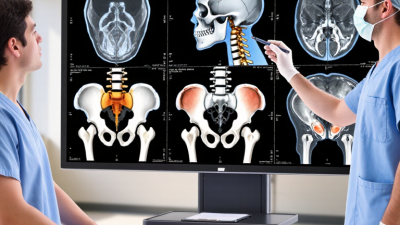
The recommendation usually follows a careful assessment. A clinician reviews the patient’s symptoms, walking pattern, activity limits, medical history, and physical examination. X-rays or magnetic resonance imaging may reveal structural changes, but images alone do not decide treatment. A visible abnormality may cause no symptoms. Likewise, significant discomfort can exist despite modest scan findings. This is where clinical experience matters.
Not every hip needs surgery.
Many patients first try activity modification, targeted physical therapy, anti-inflammatory treatment when appropriate, or other nonoperative care. Arthroscopy may become reasonable when symptoms persist, a correctable lesion is strongly suspected, and expected benefits outweigh possible risks. These risks can include infection, nerve irritation, blood clots, stiffness, or continued pain. Recovery also requires patience, often involving crutches, rehabilitation exercises, and gradual strengthening.
Recommendations are not always clear-cut. Even experienced surgeons may interpret the same findings differently. A trustworthy decision combines current evidence, surgeon expertise, patient goals, and an honest discussion of uncertainty. Someone hoping to resume running may value a different outcome than someone seeking comfortable daily movement. Understanding why these procedures are recommended helps patients ask better questions and choose care based on their individual hip condition, expectations, and overall health.

What Hip Conditions Commonly Warrant Arthroscopy? (AAOS: FAI and Labral Tears)
Hip arthroscopy is commonly considered for femoroacetabular impingement (FAI) and painful acetabular labral tears. FAI occurs when extra bone changes hip movement. The femur, socket, or both may create abnormal contact. Patients often report sharp groin pain, stiffness, or clicking during sitting, squatting, or sports. The American Academy of Orthopaedic Surgeons identifies FAI and labral tears as common conditions that may warrant evaluation for arthroscopy.
Evidence supports careful selection. A systematic review in the British Journal of Sports Medicine found cam-shaped hip morphology in about 37% of athletes and 23% of non-athletes. Many people had no symptoms. That matters. An MRI finding alone does not prove that surgery is needed. Doctors usually compare imaging with pain patterns, movement tests, and daily limitations.
Arthroscopy may reshape impinging bone, repair the labrum, or address damaged cartilage through small incisions. It is generally considered after activity changes, targeted rehabilitation, and appropriate medication have failed. A 2019 randomized trial in The BMJ reported greater short-term improvement after arthroscopic surgery than after physiotherapy for selected patients with FAI. Still, outcomes vary. Cartilage damage, hip dysplasia, age, and untreated muscle weakness can affect recovery. The decision should be shared with a qualified hip specialist, and expectations should remain realistic. Pain relief is not guaranteed.
How Are Suitable Candidates Identified? (ACR: Imaging Plus Failed Nonoperative Care)
Hip arthroscopy is recommended only when symptoms, examination findings, and imaging point toward a treatable hip problem. The American College of Radiology’s Appropriateness Criteria recommends plain radiographs for initial chronic hip pain assessment. If labral injury or femoroacetabular impingement remains suspected, MRI or MR arthrography may be appropriate. Imaging should explain the patient’s pain, not merely display an abnormal shape.
Careful selection also requires unsuccessful nonoperative care. This may include activity modification, supervised physiotherapy, movement retraining, and suitable pain management. The duration varies with symptoms and diagnosis, but rushing toward surgery after a short trial is difficult to justify. A physical therapist may observe pain during squats, turning, or prolonged sitting. A surgeon may then compare those findings with the scan and consider a diagnostic injection.
The 2019 Warwick Agreement supports combining symptoms, clinical signs, and imaging when identifying femoroacetabular impingement syndrome. A 2021 systematic review in the British Journal of Sports Medicine reported meaningful improvements in pain and hip-related function after arthroscopy for selected patients, although results varied across studies. That variation matters. Age, cartilage damage, arthritis, muscle control, and expectations can change outcomes. A scan cannot measure all of these factors. Even experienced teams can misjudge the main pain source, especially when back or pelvic conditions overlap. Candidates should receive a clear explanation of likely benefits, limitations, rehabilitation demands, and alternative care before consenting.
What Outcomes Can Patients Expect? (Reviews: About 80% Report Meaningful Improvement)
Hip arthroscopy is recommended when pain, catching, or limited movement continues despite guided treatment. A surgeon may use small incisions to examine and treat problems inside the joint. These may include damaged cartilage, labral tears, or bone irregularities. The goal is practical: reduce symptoms and improve daily movement.
Published review findings suggest that about 80% of patients report meaningful improvement after the procedure. Patients often describe easier walking, less groin pain, and better tolerance for sitting or exercise. Improvement may appear gradually. Physical therapy, strength work, and activity limits strongly influence recovery. Some people return to work within weeks, while athletic activity may require several months.
The number is encouraging, but imperfect. Reviews can include different patients, techniques, and follow-up periods. Surgery does not guarantee pain-free movement. Arthritis, muscle weakness, or unrealistic activity goals can affect the result. I have seen recovery discussed as a process, not a single event. A careful evaluation should include imaging, physical examination, medical history, and a clear rehabilitation plan. Patients should ask what improvement is realistic for their joint condition. Clear expectations matter.
How Safe Is Hip Arthroscopy? (Registry Data: Major Complications Usually Under 1%)
Why Are Hip Arthroscopy Procedures Recommended?
Hip arthroscopy is recommended when a camera can address a specific problem through small incisions. Common examples include femoroacetabular impingement, labral tears, and loose cartilage fragments. Surgeons may consider it after activity changes, physiotherapy, and medication have failed. It is not suitable for every painful hip. Advanced arthritis often limits its value.
How Safe Is Hip Arthroscopy?
Registry evidence is generally reassuring. Large national registry analyses report major complications usually below 1% after hip arthroscopy. Scandinavian registry studies and UK Non-Arthroplasty Hip Registry reports show that serious events are uncommon, especially infection, blood clots, and nerve injury. However, “uncommon” does not mean impossible. Temporary numbness, fluid leakage, and persistent pain can still occur.
The Danish Hip Arthroscopy Registry tracks patient outcomes, reoperations, and functional recovery over time. These records help surgeons compare real-world results, rather than relying only on carefully selected trial patients. Recovery also depends on diagnosis, cartilage health, surgical technique, and rehabilitation. Patient selection matters greatly.
That statistic needs context.
Registries may underreport mild symptoms or delayed problems. Individual risk can rise with obesity, smoking, previous surgery, or significant joint damage. A careful consultation should review imaging, examination findings, anesthesia risks, and realistic recovery time. In my view, the safest recommendation is specific, not automatic: treat a clearly identified mechanical problem when expected benefits outweigh the patient’s personal risks.
When Is Arthroscopy Less Appropriate? (AAOS: Advanced Osteoarthritis Reduces Benefit)
Hip arthroscopy is recommended when a surgeon needs to inspect or treat problems inside the joint. Common examples include labral tears, loose cartilage, and femoroacetabular impingement. Small instruments can address selected damage through limited incisions. The goal is usually to reduce pain and improve movement.
However, arthroscopy becomes less appropriate when osteoarthritis is advanced. Severe cartilage loss leaves bone rubbing against bone. In that setting, removing a torn piece may not correct the main source of pain. The American Academy of Orthopaedic Surgeons notes that advanced osteoarthritis can reduce the benefit of hip arthroscopy. Age alone should not decide treatment. X-rays, symptoms, walking ability, and physical examination matter together. A common mistake is focusing on a scan while overlooking daily limitations. That approach needs reconsideration.
Tips: Ask whether arthritis is mild, moderate, or advanced. Request a clear explanation of expected benefits and limits. Discuss physical therapy, activity changes, injections, or joint replacement when appropriate. Seek an independent orthopedic opinion if the recommendation feels uncertain. Recovery is not always simple. A careful decision may prevent an operation with limited value.