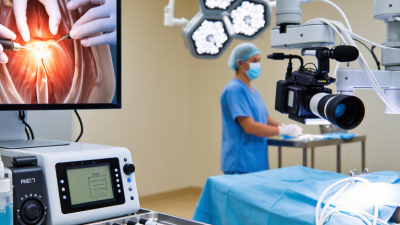
>

Top 10 Surgical Repair Systems for Global Buyers

Choosing among the Top 10 Surgical Repair Systems for Global Buyers requires more than comparing prices or product photographs. Surgical repair systems can differ in materials, configuration, sterility options, instrumentation, and clinical application. A dependable evaluation begins with the procedure, not the brochure.

Experienced procurement teams examine tissue compatibility, mechanical strength, handling comfort, and compatibility with existing surgical tools. They also review quality certificates, traceability records, sterilization instructions, and post-market support. These details matter when a small component must perform reliably under pressure. They can also affect training time, inventory planning, and operating-room efficiency.

Evidence should guide every shortlist. Independent testing, published clinical experience, manufacturer transparency, and feedback from qualified surgical professionals offer valuable perspective. Yet no ranking fits every hospital. A system suitable for a high-volume trauma center may not serve a small specialist clinic. That distinction is easy to miss.

This guide compares ten notable options through a practical, global purchasing lens. It considers design, usability, documentation, supply continuity, and service responsiveness. Regional registration requirements still require local verification. Product availability may also change without warning. Buyers should confirm specifications directly with authorized suppliers before purchasing.

Some comparisons remain imperfect. Public information is uneven. Marketing language can sound stronger than the supporting evidence. Careful readers should question broad claims and request current documentation. The strongest choice is not always the newest system. It is the one that matches clinical needs, verified standards, staff expertise, and realistic operating conditions.
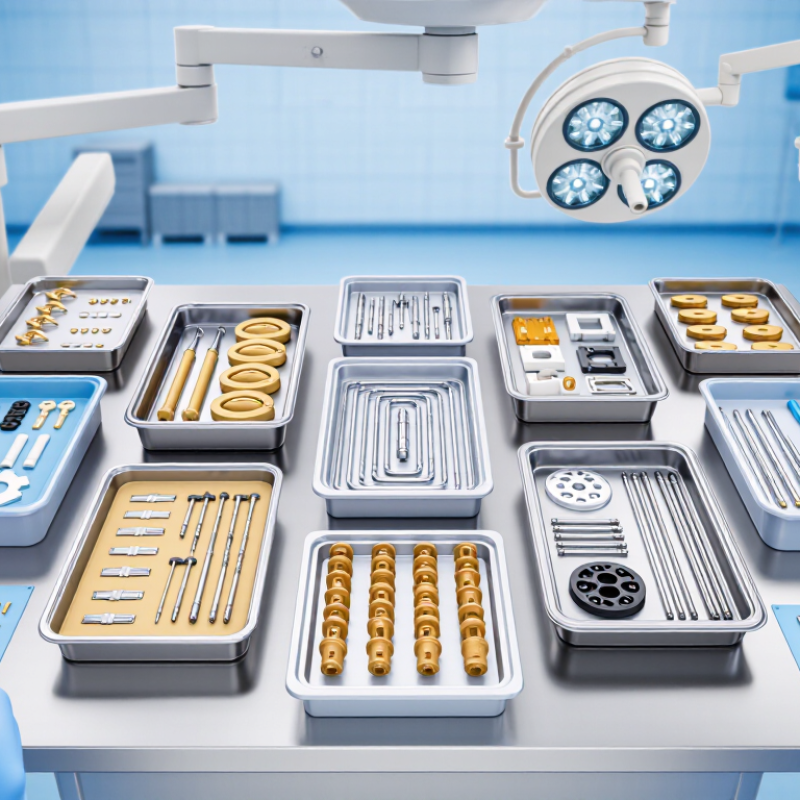
Top 10 Surgical Repair Systems for Global Buyers

What Surgical Repair Systems Are and Where They Are Used

Surgical repair systems are coordinated tools and materials used to close, reinforce, reconnect, or stabilize damaged tissue. They include absorbable sutures, non-absorbable sutures, skin staplers, closure clips, tissue adhesives, hemostatic patches, surgical mesh, bone plates, tendon anchors, and vascular grafts. Their purpose changes with anatomy, tissue strength, contamination risk, and expected healing time.

In abdominal surgery, mesh can reinforce a weakened wall around a repair site. In orthopedics, plates and anchors stabilize fractures or reattach tendons under mechanical stress. Vascular grafts restore blood flow when a vessel is severely damaged. Small details matter: needle geometry, pull-out strength, package sterility, and storage temperature can affect performance. The WHO Global Guidelines for the Prevention of Surgical Site Infection identify infection as a major surgical safety concern, with reported incidence near 11% in low- and middle-income hospitals. Repair systems must therefore support clean handling and consistent technique.

The Lancet Commission on Global Surgery estimated that five billion people lack timely access to safe, affordable surgical care. This gap makes adaptable systems important for global buyers. Hospitals may need compact kits, multilingual instructions, and materials suited to limited inventory. No system is universally superior. A strong laboratory result may fail in a crowded operating room. Buyers should compare clinical evidence, training needs, traceability, and local regulatory requirements. The choice remains partly imperfect, especially when cost pressures compete with long-term patient outcomes.
Top 10 Surgical Repair Systems for Global Buyers

What Surgical Repair Systems Are and Where They Are Used

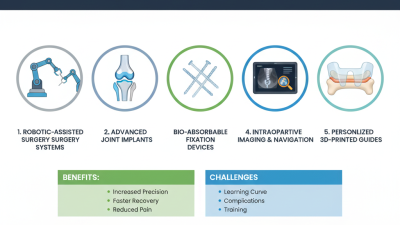
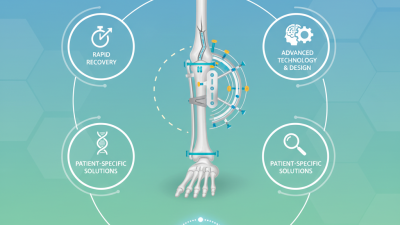
Surgical repair systems are devices and instrument sets used to stabilize, reconnect, reinforce, or reconstruct damaged tissue and bone. The chart shows representative clinical application areas for each system category, based on established surgical uses rather than company sales, market share, or brand performance.

How Surgical Repair Systems Are Classified by Procedure and Design

Top 10 Surgical Repair Systems for Global Buyers

How Surgical Repair Systems Are Classified by Procedure and Design

Surgical repair systems are best classified by the procedure they support. Bone fixation systems use plates, screws, pins, or intramedullary devices. Soft-tissue systems may include anchors, sutures, meshes, or closure components. Tendon and ligament repair systems often require strong fixation with controlled tension. Hernia repair systems focus on reinforcement, tissue integration, and patient movement.

Design creates another useful classification. Some systems are open, allowing direct access and manual placement. Others support minimally invasive procedures through narrow instruments and small incisions. Absorbable materials gradually break down, while permanent materials provide longer structural support. Adjustable systems help surgeons manage tension during repair. Preloaded devices can reduce handling time, but they may limit flexibility in unusual anatomy.

A practical buyer should examine more than the product name. Check material composition, sterilization method, size range, compatibility, and traceability records. Surgical teams also review packaging clarity and instrument ergonomics. A poorly designed handle can become a real problem during a delicate repair.

Classification is not always clean; one system may serve several procedures. This is where catalog comparisons can mislead. Clinical evidence, local regulations, training requirements, and surgeon experience still influence selection. No design replaces careful patient assessment.

Key Components, Materials, and Technologies in Repair Systems

For global buyers, a surgical repair system is more than an implant. It is a controlled chain of ten linked elements: fixation plates, screws, intramedullary nails, suture anchors, meshes, bone graft substitutes, sutures, stapling devices, delivery instruments, and imaging or navigation tools. The Lancet Commission and WHO reported that about 5 billion people lack access to safe, affordable surgical care. Reliability therefore matters beyond the operating room. Buyers should verify sterilization validation, traceability, training, and replacement-part availability across borders.

Material selection changes performance. Titanium offers strength, corrosion resistance, and useful imaging compatibility. PEEK can reduce imaging artifacts, but its surface may require special integration strategies. Stainless steel remains practical for instruments and selected fixation devices. Absorbable polymers support temporary repair, although strength loss must match tissue healing. Meshes need controlled pore size and predictable handling. AHRQ patient-safety evidence summaries commonly cite postoperative surgical-site infection rates near 2%–5%, making packaging, sterile barriers, and aseptic workflow important purchasing criteria.

Technology adds value only when it solves a real clinical problem. Porous surfaces may support bone ingrowth, while patient-specific manufacturing can improve fit. Navigation tools can reduce placement uncertainty, but they increase training and maintenance demands. ISO 13485 quality systems and ISO 14971 risk management should support supplier evaluation. A polished specification can still fail. In practice, unclear tray labels, weak torque control, or missing adapters may delay a procedure. I would also question advanced coatings when long-term evidence remains limited. Data should guide adoption, not replace surgical judgment.

How Global Buyers Should Evaluate Quality, Safety, and Compatibility

Top 10 Surgical Repair Systems for Global Buyers

How Global Buyers Should Evaluate Quality, Safety, and Compatibility

A surgical repair system should prove more than technical sophistication. It must support controlled procedures, clear instructions, and reliable traceability. The WHO Global Patient Safety Report 2024 states that one in ten patients experiences harm in healthcare, with over half considered preventable. That statistic makes documentation a purchasing requirement, not paperwork. Review ISO 13485 certification, ISO 14971 risk controls, material specifications, sterilization validation, and batch records. Ask for clinical evidence from comparable procedures. Marketing language is not evidence.

Compatibility deserves equal attention. Confirm connector dimensions, implant materials, imaging conditions, electrical requirements, and software interfaces before ordering. A system may perform well in one hospital but fail when local instruments, power standards, or sterilization capacity differ. Check whether replacement parts and trained technicians are available nearby. The WHO Surgical Safety Checklist study reported major complication rates falling from 11% to 7% after implementation. The lesson is practical: safety depends on the system and the surrounding workflow.

Tips: Request samples for simulated procedures. Test glove grip, visibility, loading force, and cleaning steps. Review failure reports and corrective actions. Do not accept vague “universal” compatibility claims. A perfect scorecard is unrealistic; small usability weaknesses can become serious under pressure. I would also reassess training assumptions, because a device that seems intuitive to engineers may confuse a busy surgical team.

Top 10 Surgical Repair Systems for Global Buyers

Top 10 Surgical Repair Systems for Global Buyers

The top 10 surgical repair systems for global buyers should be judged by clinical purpose, not marketing language. A practical shortlist may include suture-anchor systems, interference screws, fixation plates, intramedullary nails, external fixators, tendon repair kits, nerve repair instruments, hernia repair systems, bone-graft delivery tools, and advanced wound-closure systems. Each category addresses different tissue, loading, and healing requirements. That matters.

Experienced purchasing teams inspect the entire system, including instruments, implants, packaging, and training materials. A smooth insertion handle can reduce operating delays. Clear size markings help prevent selection errors under bright operating lights. Buyers should request sterilization data, biocompatibility evidence, shelf-life testing, and clinical documentation. Regulatory registration must also be checked in each destination market. Requirements differ across regions. Small details matter.

Reliability is more than a low unit price. Buyers should compare failure reporting, replacement policies, traceability, and technical support. A supplier may provide strong documentation but weak local training. That gap can affect safe use. Trial evaluations with qualified surgeons can reveal awkward grips, confusing instructions, or missing sizes. Not every “top ten” system will suit every hospital. This ranking remains imperfect because surgical preferences, patient anatomy, and reimbursement rules vary. Careful feedback should reshape the shortlist before a long-term contract.

Top 10 Surgical Repair Systems for Global Buyers

Rank Surgical Repair System Common Clinical Use Typical Components Common Materials Key Buyer Considerations Sterilization & Packaging
1 Suture Anchor Repair System Rotator cuff, labral, hip, foot and ankle soft-tissue fixation Anchor, preloaded or reloadable sutures, insertion driver Titanium, stainless steel, PEEK, bioabsorbable polymers, UHMWPE suture Anchor size, pull-out strength, knotless or knotted design, MRI labeling, instrument compatibility Usually supplied sterile; terminal sterilization method and shelf life should be verified
2 Interference Screw Fixation System Anterior cruciate ligament and other tendon or ligament graft fixation Interference screw, screwdriver, sizing and tunnel preparation tools Titanium, PEEK, bioabsorbable polymer composites Thread profile, screw diameter and length, graft-tunnel compatibility, insertion torque Sterile single-use packaging is common; storage limits may depend on polymer composition
3 Cortical Button and Adjustable Loop System Suspensory fixation of ligament or tendon grafts in bone tunnels Cortical button, adjustable or fixed-length loop, passing sutures Titanium or cobalt-chromium alloy, UHMWPE or polyester suture Button dimensions, loop adjustment range, deployment confirmation, tunnel size requirements Typically sterile and single-use; packaging must protect the loop from deformation
4 Compression Screw and Lag Screw System Fracture fixation, osteotomy stabilization and small-joint reconstruction Cannulated screw, guidewire, drill, depth gauge and screwdriver Titanium alloy or stainless steel Thread length, diameter range, head profile, cannulation, torque control and instrument set completeness Implants are commonly sterile; reusable instruments require validated cleaning and sterilization protocols
5 Plate and Screw Fracture Repair System Long-bone, periarticular, clavicle, distal radius and ankle fracture fixation Contoured or locking plate, cortical screws, locking screws, drill guides Titanium alloy or stainless steel Anatomical fit, locking-hole design, screw availability, radiographic visibility and tray modularity Implants are generally sterile single-use products; reusable trays and instruments need validated reprocessing
6 Intramedullary Nail Repair System Femoral, tibial and humeral shaft fracture stabilization Intramedullary nail, locking bolts, end cap, targeting guide and reamers Titanium alloy or stainless steel Nail length and diameter range, locking options, curvature, targeting accuracy and imaging workflow Sterile implants are common; long instruments require careful cleaning validation and packaging protection
7 Sternal Closure and Chest Wall Repair System Median sternotomy closure and selected chest wall reconstruction procedures Closure plates, wires or cables, screws and dedicated drivers Titanium alloy, stainless steel, surgical-grade wire Thoracic anatomy fit, fixation strength, radiographic compatibility and emergency removal options Usually sterile single-use implants; wire and plate components should remain protected from kinking or deformation
8 Hernia Mesh Repair System Open and minimally invasive repair of selected abdominal wall hernias Mesh implant, fixation tacks, sutures or fixation anchors, deployment tools Polypropylene, polyester, expanded PTFE, absorbable or composite materials Mesh weight, pore size, barrier layer, fixation method, defect coverage and intended surgical approach Sterile barrier packaging is essential; material-specific storage and handling instructions must be followed
9 Meniscal Repair System Arthroscopic repair of suitable meniscal tears All-inside repair device, suture constructs, needles or deployment mechanism UHMWPE, polyester, PEEK and bioabsorbable polymers Implant profile, deployment depth control, suture strength, neurovascular safety and arthroscope compatibility Normally sterile single-use devices; package integrity is critical for minimally invasive deployment systems
10 Tendon Repair Suture and Suture-Tape System Hand, foot, ankle and other tendon or soft-tissue repair procedures High-strength suture or tape, needles, loop constructs and tissue-passing tools UHMWPE, polyester, polypropylene or absorbable polymers Suture size, braid construction, knot security, needle geometry, tissue handling and tear resistance Usually sterile and single-use; protect braided sutures from moisture, abrasion and package damage
Buyer note: Product availability, regulatory classification, approved indications, MRI conditions, sterilization method and reimbursement requirements vary by jurisdiction. Buyers should confirm current technical files, instructions for use, quality certificates and local registration status before procurement.