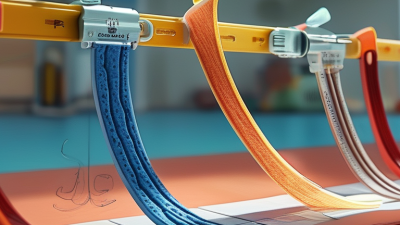
Sourcing medical device innovation in 2026 requires more than finding impressive prototypes. It demands evidence, clinical judgment, and disciplined supplier evaluation. Hospitals, manufacturers, and investors now examine how an idea performs beside real patients, busy nurses, and strict quality procedures. A polished demonstration is useful. It is not proof.
The strongest opportunities often appear in overlooked problems. A surgeon may describe repeated cable failures during a procedure. A technician may show three handwritten workarounds beside an aging monitor. These details can reveal better innovation signals than a crowded exhibition stand. Effective sourcing teams should assess clinical value, usability, cybersecurity, manufacturing readiness, and post-market support. They should also review quality systems, relevant testing, intellectual property ownership, and applicable regulatory pathways. Expert input matters.
Not every promising device survives contact with routine care. That is uncomfortable. Early data may be small, inconsistent, or shaped by enthusiastic users. Procurement leaders should ask difficult questions before signing a partnership: Who verified the performance claims? Can production scale without changing critical features? Will the device remain serviceable five years later? A controlled pilot, documented risk assessment, and transparent communication can expose weaknesses early. The process is rarely perfect. Yet careful sourcing creates a more reliable bridge between inventive engineering and measurable patient benefit. In 2026, medical device innovation should be judged by evidence that withstands scrutiny, not by novelty alone.
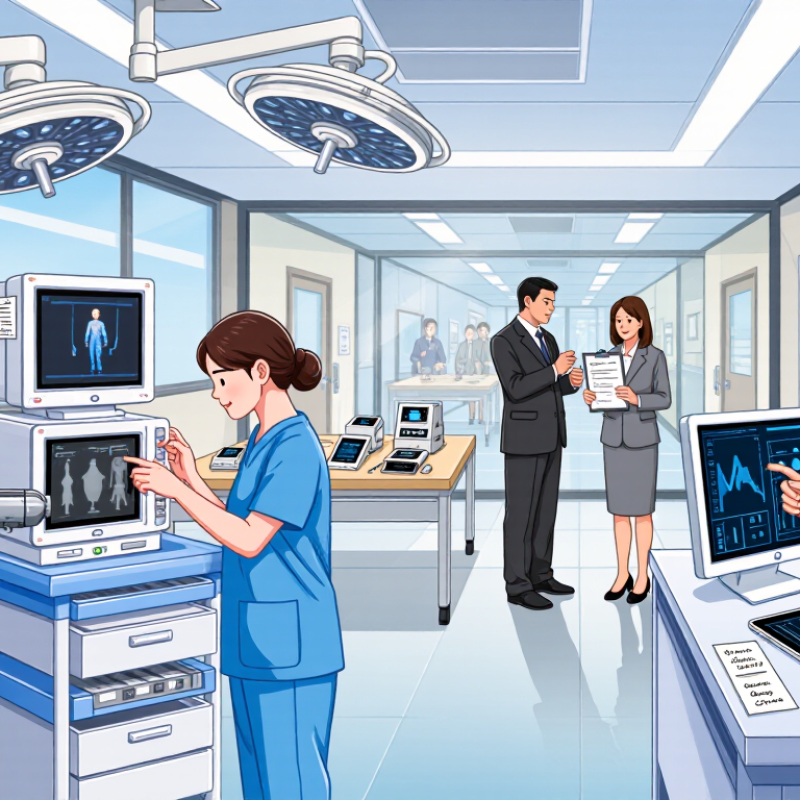
In 2026, medical device innovation sourcing means finding, testing, and governing useful device ideas before development begins. It is not a directory. It is an evidence-based process. Teams assess clinical relevance, technical feasibility, manufacturing readiness, and patient safety. They also examine the inventor’s testing records, design controls, and risk-management approach. A polished prototype can still hide weak materials, unclear ownership, or poor usability.
Practical sourcing starts with a defined clinical problem. A hospital engineer may describe a fragile connector, repeated alarm failures, or a device that takes too long to clean. These details help sourcing teams compare solutions against real workflows. Early reviews should include human factors, biocompatibility, cybersecurity, data protection, and supply continuity. Quality specialists can check whether development practices align with recognized medical device standards. A secure data room should hold drawings, test reports, validation plans, and traceability records. Missing evidence matters.
The process is not flawless. Scoring models can reward attractive presentations over durable engineering. One promising concept may fail after repeated sterilization or real-world handling. Experienced reviewers should challenge assumptions, not merely confirm them. They should document why an opportunity was accepted, delayed, or rejected. That record supports accountability and future learning. It also exposes uncomfortable gaps. Sometimes the best sourcing decision is requesting another test before signing a development agreement.
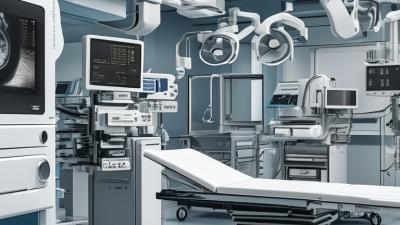
Medical device sourcing should begin with clinical friction, not technological excitement. A crowded emergency department may need faster triage, fewer manual records, or safer patient transfers. Rural clinics may need compact imaging tools that tolerate weak connectivity. These needs create clearer search criteria than broad requests for “disruptive” innovation.
Emerging technologies can then be mapped to real care gaps. Edge-based artificial intelligence may support rapid image analysis without sending sensitive data away. Flexible sensors could monitor wounds, movement, or pressure continuously. Soft robotics may assist rehabilitation while reducing strain on clinicians. However, technical promise is not clinical value. A device must fit existing workflows, cleaning routines, training levels, and reimbursement realities.
Nurses, technicians, surgeons, patients, and procurement teams often describe different problems. Their disagreement is useful. It can expose hidden risks before investment begins. Evidence should include usability studies, transparent performance data, cybersecurity testing, and carefully designed clinical validation. Regulatory pathways and post-market monitoring also deserve attention from the earliest discussions.
The map will remain incomplete. We may overvalue elegant prototypes and undervalue simple workflow improvements. That is a real sourcing risk. Strong evaluation therefore asks difficult questions: Who benefits? Who could be excluded? What happens when the system fails? Innovation becomes more credible when these answers are documented, tested, and revised with clinical experience.
Medical device sourcing in 2026 will depend on disciplined partnership choices, not exciting prototypes alone. Suppliers should prove process capability, traceability, cybersecurity controls, and service continuity. The FDA’s 2024 AI-enabled device list contains hundreds of authorized products, showing how quickly software is entering clinical hardware. Yet authorization is not the same as reliable hospital performance. Ask for complaint trends, failure data, validation records, and evidence from real clinical workflows.
Startups can offer faster iteration and sharper clinical focus. Their risks may include limited manufacturing capacity, immature quality systems, and dependence on one technical founder.
Research partnerships provide deeper expertise, especially in sensors, biomaterials, and machine learning. However, university prototypes often need redesign before sterile production. The WHO Global Atlas of Medical Devices reports major differences in device availability across countries, reminding sourcing teams to test accessibility, training needs, and maintenance requirements early. I would not treat a strong publication record as proof of scalable engineering.
Tips: Use a weighted scorecard. Give quality and patient safety more weight than novelty. Request a small, documented pilot with defined failure thresholds. Interview nurses and technicians, not only executives. Check whether the partner can maintain records for ten years. Revisit assumptions after every pilot; early confidence is useful, but it is often incomplete. One overlooked detail, such as cleaning compatibility, can delay an otherwise promising launch.
How to Source Medical Device Innovation in 2026?
Managing Regulatory, Safety, and Intellectual Property Risks
Medical device sourcing in 2026 requires more than an impressive prototype. It requires evidence that the product can survive regulatory review and real clinical use. Define the intended purpose, patient population, and target markets before signing development agreements. Regulatory expectations differ across jurisdictions. A supplier should provide design records, risk analyses, test protocols, and traceability data. Ask to inspect the quality system, not just the presentation.
Safety risks often appear in small details. A loose connector, unclear alarm, or poorly labelled sterile package can create serious harm. Require verification under realistic conditions, including repeated cleaning, transport vibration, and power interruptions. Review human factors with clinicians and intended users. Keep change-control rules explicit. One unapproved component substitution can affect performance, documentation, and future submissions.
Intellectual property checks need equal attention. Confirm ownership of patents, software, drawings, clinical data, and manufacturing processes. Use written agreements covering confidentiality, background inventions, improvements, and permitted technical access. Search relevant patent databases before investing heavily. Legal review remains essential because ownership rules vary by country. No checklist is perfect. Teams can still overlook a subcontractor or an old licence restriction. That is why independent audits, documented decisions, and periodic reassessment matter throughout sourcing. Reliable innovation is not merely novel; it is safe, supportable, and defensible.
Evidence-based sourcing framework for evaluating medical-device innovation, compliance readiness, safety exposure, and intellectual-property risk.
| Evaluation Dimension | Relevant Data Point | 2026 Sourcing Implication | Evidence to Request | Primary Reference |
|---|---|---|---|---|
| Device Classification | Risk classification determines the level of conformity assessment, clinical evidence, and post-market oversight required. | Confirm the intended purpose, duration of contact, invasiveness, active functions, and software role before comparing development timelines or valuations. | Intended-use statement, preliminary classification rationale, applicable regulatory pathway, and jurisdiction-by-jurisdiction gap analysis. | EU Medical Device Regulation 2017/745; applicable national medical-device legislation. |
| Regulatory Readiness | A quality-management system aligned with ISO 13485 supports controlled design, manufacturing, supplier, and corrective-action processes. | Treat an unverified quality system as a major execution risk, even when the underlying technology is technically promising. | Current certificate where applicable, audit history, design-control records, supplier controls, complaint handling, CAPA records, and management-review evidence. | ISO 13485:2016; ISO 14971:2019. |
| Clinical Evidence | Clinical evaluation must demonstrate a favorable benefit–risk profile for the intended purpose and target population. | Do not equate laboratory performance, pilot data, or a published concept with clinical effectiveness or regulatory acceptability. | Clinical-evaluation plan, protocol, statistical analysis plan, clinical-investigation data, adverse-event records, and traceability from claims to evidence. | ISO 14155:2020; EU Medical Device Regulation 2017/745. |
| Biocompatibility and Materials | Biological evaluation depends on contact type, contact duration, material composition, processing, and sterilization method. | Material substitutions or manufacturing changes can invalidate prior safety evidence and trigger additional testing. | Material specifications, supplier declarations, chemical characterization, toxicological assessment, biological-test reports, and sterilization validation. | ISO 10993-1:2018; ISO 10993 series; ISO 11135 or ISO 11137 where applicable. |
| Electrical and Functional Safety | Medical electrical equipment commonly requires assessment of basic safety, essential performance, electromagnetic compatibility, and usability. | Identify safety-critical functions early because late hardware or software changes can affect verification, validation, and clinical claims. | System architecture, hazard analysis, verification matrix, EMC results, electrical-safety reports, usability engineering file, and essential-performance definition. | IEC 60601-1; IEC 60601-1-2; IEC 62366-1. |
| Software and Cybersecurity | Connected devices require lifecycle controls for secure design, threat management, vulnerability handling, updates, and incident response. | Assess cybersecurity as a product-safety issue, not only as an information-technology issue; unsupported legacy components increase residual risk. | Software bill of materials, threat model, secure-development lifecycle, penetration-test results, vulnerability-disclosure process, update policy, and end-of-support plan. | IEC 62304:2006+A1:2015; FDA Cybersecurity Guidance, 2023; ISO 81001-5-1:2021. |
| Intellectual Property Ownership | Patent protection generally lasts up to 20 years from the relevant non-provisional filing date, subject to jurisdictional rules and maintenance requirements. | Value the innovation based on enforceable rights and freedom to operate, not merely on the existence of a patent application. | Patent-family chart, ownership and assignment records, inventor declarations, license agreements, prosecution history, expiration analysis, and freedom-to-operate opinion. | WIPO Patent Cooperation Treaty resources; applicable national patent statutes. |
| Freedom to Operate | A granted patent does not automatically provide the right to commercialize a product if third-party claims may be infringed. | Require claim-level analysis across intended markets, manufacturing locations, critical components, algorithms, and delivery methods. | Search strategy, relevant patent claims, legal-status checks, non-infringement analysis, licenses, indemnities, and design-around options. | WIPO PatentScope; national patent-office registers; qualified patent counsel. |
| Post-Market Surveillance | Manufacturers must monitor complaints, incidents, trends, field performance, corrective actions, and emerging safety signals after launch. | Select partners with measurable surveillance capability rather than relying solely on pre-market documentation. | Complaint database, vigilance reports, field-safety actions, trend reports, periodic safety updates, recall procedures, and response-time metrics. | EU Medical Device Regulation 2017/745; ISO 14971:2019; applicable vigilance requirements. |
| Sourcing Decision Gate | Recommended scoring: regulatory readiness 25%, safety evidence 25%, IP position 20%, clinical value 15%, manufacturing scalability 15%. | Advance only opportunities that meet minimum thresholds in safety and legal rights; strong commercial potential should not compensate for unresolved critical risks. | Weighted scorecard, red-flag register, risk-acceptance decision, remediation budget, milestone plan, and contractual protection requirements. | ISO 14971:2019 risk-management principles; internal investment-governance criteria. |
How to Source Medical Device Innovation in 2026?
Building a Scalable Innovation Sourcing Strategy
Medical device innovation needs a repeatable sourcing system, not occasional networking. MedTech Europe’s 2024 industry report identifies more than 37,000 European medtech companies. Around 90% are small or medium-sized enterprises. That spread creates opportunity, but it also creates noise. A scalable strategy should define clinical problems before searching for technologies. Build a clear intake form covering unmet need, patient impact, evidence maturity, regulatory pathway, and manufacturing readiness. Keep the criteria visible.
Start with a funnel. Screen widely through hospitals, universities, specialist engineers, and clinical researchers. Then apply staged reviews with clinical, technical, quality, and commercial experts. The Deloitte 2025 Global Life Sciences Outlook highlights artificial intelligence and advanced analytics as major investment priorities. Still, promising software does not replace device validation. A prototype may work beside a hospital bed yet fail during cleaning, transport, or routine staff use. That gap deserves attention. Our sourcing plans can also become too rigid, excluding useful ideas before evidence is complete.
Tips: Use a quarterly challenge brief. Request one-page technical summaries. Score every submission consistently. Ask for failure data, not only success stories. Create a small paid feasibility stage before major investment. Track conversion rates from discovery to pilot, validation, and procurement. Review rejected ideas twice yearly; some were probably dismissed too early. Reference: MedTech Europe, 2024 Facts and Figures; Deloitte, 2025 Global Life Sciences Outlook.
Building a scalable innovation sourcing strategy by prioritizing the regulatory pathways most likely to reveal market-ready device opportunities.
The U.S. FDA’s 510(k) pathway represents the largest public signal of active medical-device commercialization, while De Novo, PMA, and HDE pathways identify smaller but strategically important pools of novel or high-risk technologies. A scalable sourcing model should combine high-volume pipeline monitoring with targeted expert and clinical-network discovery.
Source: U.S. Food and Drug Administration, CDRH annual data and device approval databases; FY2022 publicly reported pathway activity. Values represent pathway decisions and are intended for strategic benchmarking.