Choosing effective sports injury treatment products requires more than selecting the most popular item online. A swollen ankle, aching shoulder, or strained wrist needs careful attention to the injury’s type, timing, and severity. The right product should support recovery without hiding symptoms that require professional assessment. No product replaces a qualified healthcare provider.
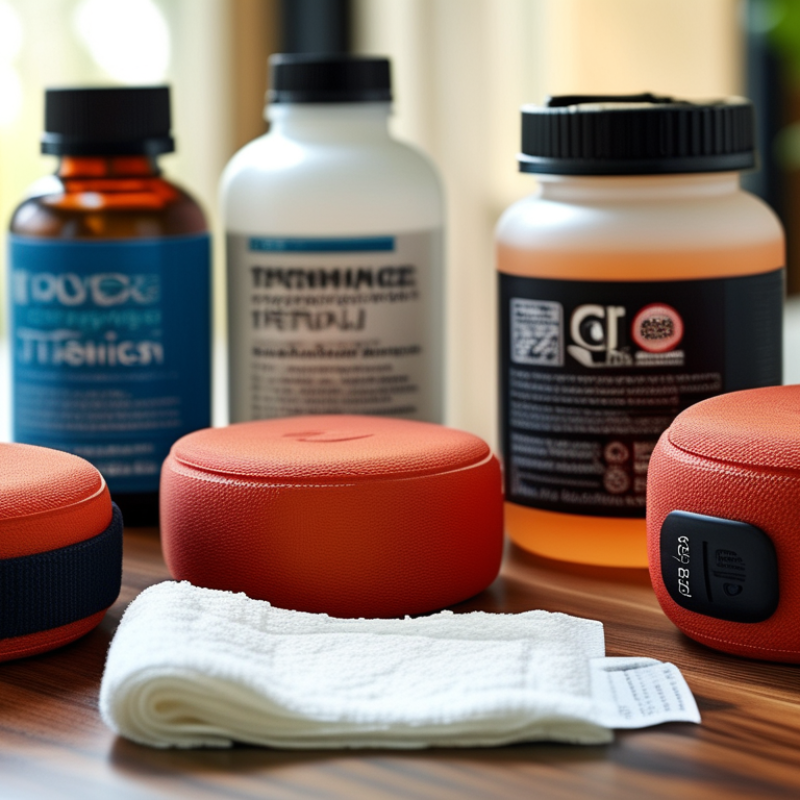
Experience matters during real training and competition. A reusable cold pack may help manage early swelling when wrapped in a thin towel. A compression sleeve should feel supportive, never numb or painfully tight. A brace must fit securely while allowing safe movement. Product labels, materials, sizing charts, and cleaning instructions deserve close attention. Small details can affect comfort and consistent use.
Reliable decisions also depend on evidence and honest expectations. Look for guidance from sports medicine organizations, licensed clinicians, and reputable manufacturers. Avoid products promising instant healing or guaranteed performance. A topical product may feel soothing, but comfort does not always mean tissue recovery. That distinction is easy to miss. Consider skin sensitivity, allergies, circulation problems, previous injuries, and the demands of your sport. Stop using any product that causes worsening pain, discoloration, numbness, or irritation. Seek medical care for severe swelling, deformity, inability to bear weight, or persistent symptoms. A practical sports injury treatment plan should combine suitable products, gradual activity, and professional advice. It may not be perfect. Careful reassessment remains essential.
Choosing effective sports injury treatment products begins with understanding the injury, not the packaging. The CDC estimated 8.6 million sports and recreation injuries annually in the United States during 2011–2014. NCAA surveillance also reported about 8.1 injuries per 1,000 athlete exposures across several sports seasons. These figures show how varied treatment needs can be.
Start by identifying the affected area, injury timing, and current symptoms. A fresh ankle sprain may need short-term cooling, gentle compression, and elevation. A stiff shoulder after training may require controlled warmth and mobility support instead. Products should fit the body part without restricting circulation. Check for numbness, unusual color, swelling that rapidly increases, or skin irritation. Small details matter.
Do not treat every injury the same way. A cold pack is not a diagnosis. If someone cannot bear weight, has a visible deformity, severe pain, or concussion symptoms, professional assessment is more important than home treatment. The American College of Sports Medicine emphasizes gradual return to activity and symptom-based progression. That guidance is easy to understand but easy to ignore.
A practical mistake is choosing the strongest compression or the coldest setting. More intensity does not always mean better recovery. Read usage instructions, protect the skin, and inspect the area during use. Product selection should support comfort and safe movement, while medical advice determines the next step.
| Sports Injury Need | Suitable Product Category | Primary Function | Useful Product Features | Typical Use Guidance | Evidence / Practical Value | Important Safety Considerations |
|---|---|---|---|---|---|---|
| Acute swelling after a minor sprain or strain | Reusable cold pack or flexible gel pack | Temporarily reduces pain and may limit local swelling | Flexible shape, protective fabric cover, leak-resistant construction, clear usage instructions | Apply through a cloth barrier for about 10–20 minutes at a time; allow the skin to return to normal temperature between applications | High practical value Commonly used for short-term symptom relief |
Do not apply directly to skin, broken skin, or areas with reduced sensation. Stop if the skin becomes unusually pale, numb, or painful. |
| Mild soft-tissue swelling or bruising | Elastic compression bandage or tubular support | Provides light support and may help manage swelling | Adjustable tension, breathable material, secure closure, easy removal, multiple size options | Wrap from the far end of the limb toward the body with even, comfortable pressure; check circulation regularly | Useful when fitted correctly Compression is a common component of early soft-tissue care |
Loosen or remove it if there is numbness, tingling, increased pain, blue or pale skin, or coldness below the bandage. |
| Joint instability during daily activity or rehabilitation | Adjustable ankle, knee, wrist, or elbow brace | Limits selected movements while allowing controlled activity | Correct joint alignment, adjustable straps, stable hinges where appropriate, breathable padding, secure fit | Select the brace according to the injured joint and intended activity; follow clinician or physiotherapist guidance for duration | Condition-dependent Can support function but should not replace rehabilitation or diagnosis |
A brace that is too tight may impair circulation; persistent instability, deformity, or inability to bear weight requires medical assessment. |
| Muscle tightness during recovery or warm-up | Reusable heat pack or controlled warming wrap | Promotes temporary comfort and may reduce the sensation of stiffness | Even heat distribution, temperature guidance, washable cover, flexible design, automatic shut-off for powered products | Use for a short period before mobility work when swelling is not increasing; avoid sleeping with an electric warming product | Symptom relief Most appropriate for stiffness rather than a newly swollen injury |
Avoid heat over acute swelling, open wounds, infection, or areas with impaired sensation. Check the skin frequently to prevent burns. |
| Protection of a minor blister or superficial abrasion | Non-stick dressing, hydrocolloid dressing, or sterile wound pad | Protects the area from friction, dirt, and repeated contact | Sterile packaging, low-trauma removal, absorbent layer, suitable adhesive, water-resistant edge | Clean and dry the surrounding skin before application; replace when wet, dirty, loose, or according to the product instructions | Strong basic-care value Physical protection helps support uncomplicated wound healing |
Seek care for deep wounds, uncontrolled bleeding, spreading redness, pus, fever, or wounds caused by bites or contaminated objects. |
| Recurring tendon or muscle discomfort during activity | Supportive athletic tape or kinesiology-style tape | May provide sensory feedback and short-term support | Skin-friendly adhesive, controlled stretch, breathable fabric, clear application instructions, residue-resistant backing | Apply only to clean, intact skin; remove gently if itching, rash, blistering, or discomfort develops | Mixed evidence May improve perceived support, but it is not a substitute for load management or rehabilitation |
Do not use over irritated skin, significant swelling, or an undiagnosed injury. Persistent pain should be evaluated by a qualified professional. |
| Need for safe return to sport | Rehabilitation tools such as resistance bands, balance pads, or mobility aids | Supports progressive strength, balance, flexibility, and movement control | Several resistance levels, non-slip surface, clear exercise guidance, durable construction, easy storage | Progress gradually and stop if pain becomes sharp, swelling increases, or movement quality deteriorates | High rehabilitation value Exercise-based recovery is commonly used to restore function and reduce reinjury risk |
A qualified clinician should guide exercise selection after a significant injury, surgery, fracture, or unexplained loss of function. |