What Are the Best Skeleton Models for Global Buyers?
Choosing the right Skeleton Models can be a game-changer for educators and medical professionals alike. Skeleton models serve as vital educational tools, assisting in anatomy learning and anatomical illustration. Their detailed structure aids in understanding human biology, making them essential for various applications.
When exploring the best skeleton models, buyers should consider aspects like material quality, accuracy, and display features. A well-made skeleton model can last for years and withstand significant use. However, not all models are created equal. Some might lack detail or be overpriced. It's crucial to review specifications and customer feedback to gauge reliability.
Moreover, potential buyers should reflect on their specific needs. What will the skeleton model be used for? Is it for teaching, research, or decoration? These considerations will guide users toward making an informed decision. In the end, the best skeleton model aligns with one's requirements while offering a comprehensive learning experience.
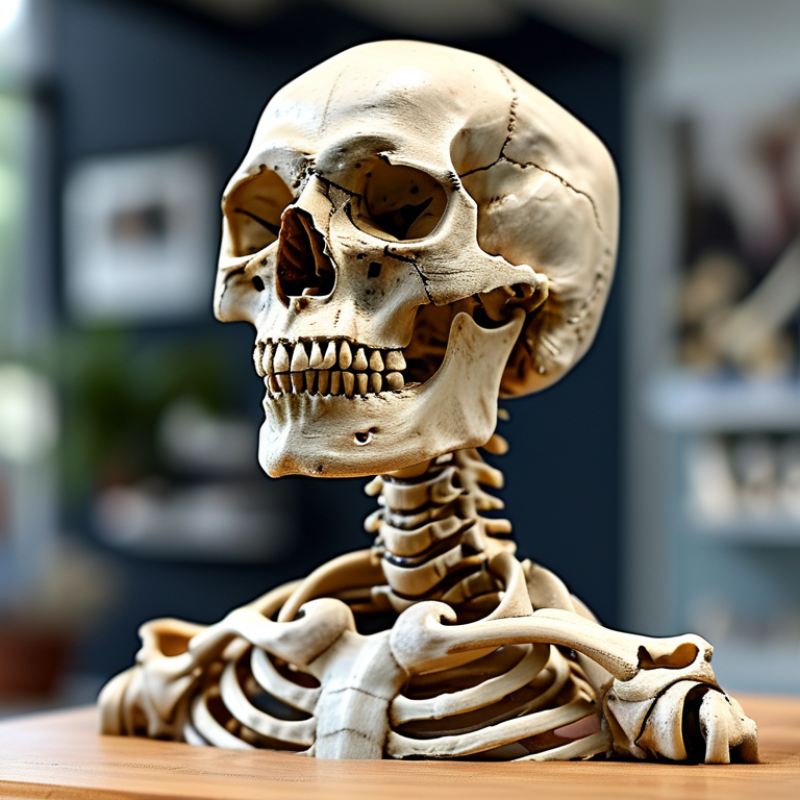
What are Skeleton Models and Their Importance in Various Fields
Skeleton models are essential tools in fields like medicine, education, and research. They provide a clear representation of human anatomy. These models allow students and professionals to study complex structures easily. In medicine, for instance, they help in understanding the skeletal system's function. Seeing the joints, bones, and muscle attachments gives valuable insights.
Tips: Choose models with accurate proportions. Detail in joint movement can enhance learning. When selecting, consider the audience's needs.
In education, skeleton models play a crucial role. They aid teachers in demonstrating anatomy in a tangible way. Yet, not all skeleton models are created equally. Some may lack detail or accuracy, which can lead to misunderstandings. It’s vital to consult expert reviews before purchase.
Tips: Look for models easily assembled and disassembled. This feature enhances interaction. Check for instructional guides to maximize utility.
What Are the Best Skeleton Models for Global Buyers?
| Model Name | Material | Height (cm) | Weight (kg) | Application Field | Price Range (USD) |
| Life-Size Adult Skeleton | Plastic | 180 | 5 | Medical Education | 150 - 300 |
| Mini Skeleton Model | PVC | 30 | 1 | Educational Tools | 25 - 50 |
| Deluxe Anatomical Skeleton | High-Quality Plastic | 170 | 6 | Medical Training | 300 - 500 |
| Fetal Development Model | Silicone | 20 (various stages) | 0.5 | Obstetrics Education | 100 - 200 |
| Skeleton With Muscles | Plastic and Fabric | 175 | 6 | Fitness and Anatomy Studies | 250 - 400 |
Key Features to Consider When Choosing Skeleton Models for Purchase
When selecting skeleton models, certain features stand out as essential for buyers. One critical aspect is the accuracy of anatomical details. Accurate joint movements and realistic proportions enhance educational value. A study by the International Society for Anatomical Sciences highlights that models with high fidelity are preferred for teaching anatomy efficiently.
Material quality also plays a crucial role. Options vary from plastic to more advanced materials mimicking bone density. Research shows models with superior materials last longer and provide better tactile experiences. High-quality models exhibit durability, reducing the need for replacements and ensuring long-term use in educational settings.
Potential buyers should consider the level of interactivity offered by the model. Some skeletons come with removable parts or additional features like muscle layering. These interactive elements can facilitate in-depth learning. However, incorporating these features can result in higher costs, making budget considerations vital. 실험 (Experiment) with different types before making a decision may lead to better fulfillment of educational objectives.
Top Features of Skeleton Models for Global Buyers
Comparison of Best-Selling Skeleton Models in the Market
The market for skeleton models has shown significant growth in recent years, driven by advancements in educational tools and anatomical studies. According to a report from Research and Markets, the global anatomical models market is projected to reach over $1 billion by 2026. This increase is largely due to the rising demand in educational institutions and healthcare facilities.
Among the best-selling skeleton models, key features include realistic anatomy and durability. Many models now come with removable parts, enhancing interactive learning. However, it's vital to assess the accuracy of these models, as some cheaper versions may not provide precise anatomical details. This inconsistency can lead to misunderstandings during education or training.
Tips: Look for models with clear labeling and detailed textures. Consider how each model aligns with your specific needs. Not every skeleton model is created equal, and finding one that meets your learning objectives is crucial. Review customer feedback to gauge reliability and educational effectiveness. Results can vary, so due diligence is necessary.
Industry Applications of Skeleton Models: Medical, Educational, and Research
Skeleton models serve various critical purposes in medical, educational, and research settings. In medicine, these models offer a realistic representation of human anatomy. They assist students in learning about bone structures and their functions. However, not all skeleton models accurately depict complex anatomical variations. This can pose challenges for students and medical professionals alike.
In educational environments, skeleton models can enhance hands-on learning. They provide a tangible reference for understanding human biology. Some institutions use them extensively in anatomy, biology, and health science courses. Yet, many models lack detail in specific areas, leading to misunderstandings in anatomy education. This highlights the need for continuous improvement in educational resources.
Research applications also benefit from skeleton models. They can be key tools in biomechanics and forensic studies. Researchers often rely on these models to simulate real-life scenarios. However, the limitations in certain designs may impact research outcomes. Researchers must critically evaluate model quality to ensure validity in their findings.
Professional Reviews and Ratings of Top Skeleton Models for Global Buyers
When it comes to choosing skeleton models, reviews and ratings play a crucial role. Professionals often assess these models based on accuracy, material quality, and usability. Research from the Biomechanical Engineering Society highlights that high-quality models can accurately represent human anatomy, essential for education and clinical training.
Certain models excel in providing detailed anatomical features. Studies show that models with removable parts are preferred. They offer hands-on experience during training and enhance learning outcomes. A survey by the International Association of Anatomists indicated that 87% of educators favor models that are both educational and durable. However, not all models meet expectations. Some lack detail or can quickly wear out. This inconsistency prompts buyers to carefully consider their options.
In the realm of medical simulation, it’s imperative to choose models that withstand rigorous use. Data from a global market analysis suggests a growing demand for realistic and affordable skeleton models. Yet, many buyers report feeling overwhelmed by the choices available. Assessment criteria should include a balance of cost and educational value. Reflecting on past purchases can help refine future selections, ensuring informed decisions are made.