>

What Is Agaricus Blazei Extract Used For?

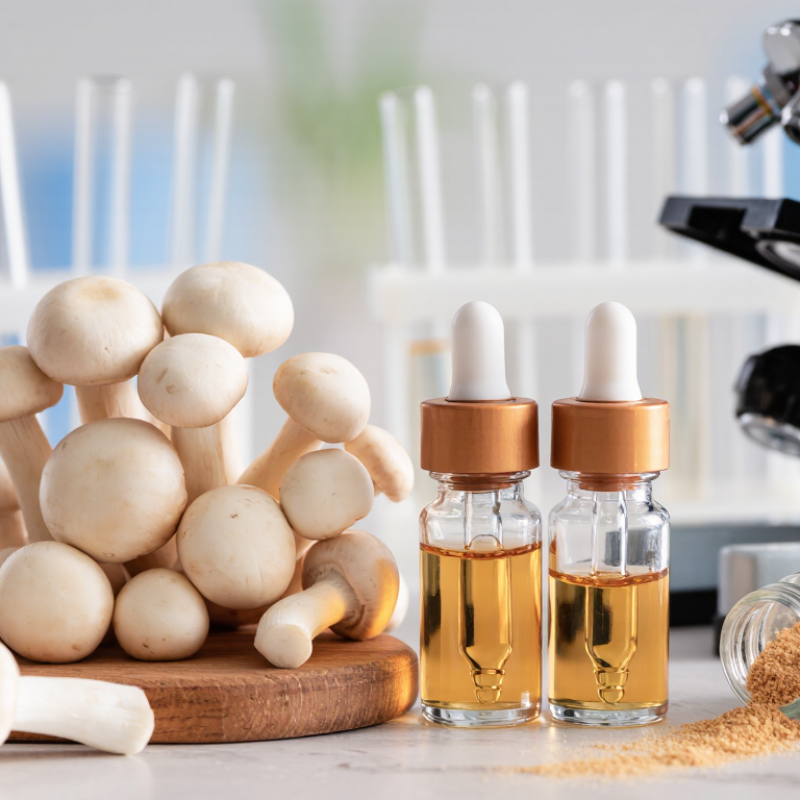
Agaricus Blazei Extract comes from a medicinal mushroom traditionally used in Brazil, Japan, and other regions. It is commonly discussed for immune support, antioxidant activity, and general wellness. Some laboratory and early human studies have examined its beta-glucans and other bioactive compounds. However, these findings do not prove that the extract can prevent or treat serious diseases.

The evidence is promising, but it is not tidy. Research quality varies, and many studies use different extraction methods, doses, and product standards. This matters because a capsule labeled Agaricus Blazei Extract may not match another product on the shelf. Check the scientific name, extraction ratio, beta-glucan content, testing information, and recommended serving size. Small details matter here.

Some users take the extract during stressful periods or alongside a balanced wellness routine. They may notice no clear change, which is also a realistic outcome. Individual responses can differ. People with mushroom allergies, autoimmune conditions, liver concerns, or ongoing medical treatment should seek professional advice before use. Possible digestive discomfort or other reactions should not be ignored. A cautious approach is more reliable than treating a supplement as a cure. This article examines what Agaricus Blazei Extract is used for, what current evidence suggests, and where uncertainty remains. It also considers practical safety questions, because “natural” does not automatically mean risk-free.

What Is Agaricus Blazei Extract Used For?

Agaricus Blazei Extract: Definition and Main Active Compounds

Agaricus blazei extract is a concentrated preparation made from the fruiting body or mycelium of Agaricus blazei, a mushroom traditionally associated with Brazil. Manufacturers usually use hot-water extraction, alcohol extraction, or both. Each method captures different compounds.

Its main active compounds include beta-glucans, ergosterol, proteins, amino acids, and phenolic compounds. Beta-glucans receive the most scientific attention because laboratory studies suggest they can interact with immune-related receptors. Ergosterol is a sterol found in fungal cell membranes. Phenolic compounds may contribute antioxidant activity in test systems. The extract is commonly used in dietary supplements and functional-food formulas, rather than as a proven treatment.

The wider mushroom industry provides useful context. FAOSTAT reports roughly 40 million tonnes of mushrooms and truffles produced globally in recent years, although this broad category does not measure Agaricus blazei separately. That limitation matters. Industry reports also show growing demand for mushroom-based ingredients, but market size does not prove clinical effectiveness.

Peer-reviewed reviews describe promising findings, yet human evidence remains uneven. Extract quality can vary with species identification, cultivation conditions, processing temperature, and beta-glucan testing methods. A dark powder is not automatically a stronger extract. Consumers should check independent laboratory testing and the declared extraction ratio. More clinical research is still needed. That is the honest part.

What Is Agaricus Blazei Extract Used For? - Agaricus Blazei Extract: Definition and Main Active Compounds

Category What It Means Relevant Information
Definition A concentrated preparation made from the fruiting body or mycelium of the edible mushroom commonly known as Agaricus blazei. The species is also frequently discussed under the scientific name Agaricus subrufescens. Extract composition depends on the mushroom part used and the extraction method.
Common supplement use Used as a dietary supplement intended to provide mushroom-derived polysaccharides and other bioactive constituents. It is commonly supplied as a powder, capsule, tablet, liquid extract, or standardized extract. Products may differ substantially in concentration and labeling.
Immune-system research Investigated for possible effects on innate and adaptive immune responses. Beta-glucans and related polysaccharides are considered important research constituents. Human evidence remains limited and does not establish the extract as a treatment for disease.
Antioxidant research Studied for its ability to reduce oxidative activity in laboratory testing. Phenolic compounds and other antioxidant constituents may contribute to observed laboratory effects. Results from test-tube or cell studies cannot be assumed to produce the same effects in humans.
Metabolic-health research Examined in preliminary studies involving glucose regulation, lipid metabolism, and inflammation. Evidence is not sufficient to determine whether Agaricus blazei extract reliably improves blood glucose, cholesterol, body weight, or other metabolic outcomes.
Cancer-related research Studied as a possible complementary research subject because of its immunological and laboratory findings. It has not been established as a cancer cure or replacement for oncology treatment. Anyone receiving cancer therapy should consult a qualified healthcare professional before use.
Primary active compounds Beta-glucans and other structural polysaccharides. These include branched glucose polymers, often described as β-(1→3)- and β-(1→6)-glucans. Their amount and structure vary according to cultivation, processing, and extraction conditions.
Protein–polysaccharide complexes Large molecules containing both carbohydrate and protein components. These complexes are investigated for biological activity, but their exact composition and activity can differ between extracts.
Ergosterol and sterol compounds Mushroom sterols that occur naturally in the fungal cell membrane. Ergosterol is a characteristic fungal sterol and may be converted to vitamin D2 when exposed to ultraviolet light. This conversion does not necessarily occur in every extract.
Phenolic compounds Plant-like secondary metabolites found in varying amounts in mushroom material. Phenolic content may contribute to antioxidant activity measured in laboratory assays, but it is not a reliable indicator of clinical benefit by itself.
Nutrients and minor constituents May include amino acids, peptides, nucleotides, dietary fiber, minerals, and other mushroom metabolites. The nutritional profile depends on the raw material and whether the product is a whole-mushroom powder or a selective extract.
Safety and quality considerations Use should take account of allergies, possible digestive effects, medication interactions, and product quality. People who are pregnant, immunocompromised, preparing for surgery, or taking prescription medicines should seek professional advice. A clear supplement label should identify the mushroom material, extraction ratio or standardization, serving size, and testing information.

Traditional and Modern Uses of Agaricus Blazei Extract

What Is Agaricus Blazei Extract Used For?

Traditional and Modern Uses of Agaricus Blazei Extract

Agaricus blazei extract comes from a mushroom traditionally used in Brazil and Japan. Local practices often included mushroom tea or dried slices. People used it for general vitality, appetite, and immune support. Modern supplements usually contain concentrated polysaccharides, including beta-glucans. These compounds are studied for their possible effects on immune signaling. However, human evidence remains limited and inconsistent. I would not call the extract proven medicine.

The broader functional mushroom market shows growing commercial interest. Grand View Research estimated this market at about USD 24.9 billion in 2023. That figure covers many mushroom species, not Agaricus blazei alone. Research reviews have examined possible antioxidant, metabolic, and immune-related applications. Some small clinical studies reported changes in immune markers. Those markers do not always predict meaningful health outcomes. Extract strength also varies widely between products. This makes comparisons difficult.

Tips: Check the Latin name, extraction method, and beta-glucan content. Choose products with independent testing. Speak with a qualified clinician if you use immune-modifying medicines. Stop if unusual symptoms appear. Traditional use is valuable context, not clinical proof.

What Is Agaricus Blazei Extract Used For?

Traditional and modern uses of Agaricus blazei extract

Agaricus blazei has traditionally been consumed as a food and used in folk practices. Modern products are commonly marketed as dietary supplements, while research has examined immune modulation, antioxidant activity, metabolic health, and supportive oncology applications. The chart shows a qualitative research-attention index, not proven treatment effectiveness. Human evidence remains limited and does not establish the extract as a substitute for medical care.

Evidence context: peer-reviewed reviews and clinical studies have investigated polysaccharides and beta-glucans from Agaricus blazei, but preparation methods, doses, and study results vary considerably.

Potential Health Benefits Supported by Scientific Research

Agaricus blazei extract is studied for its beta-glucans, polysaccharides, and antioxidant compounds. Researchers are mainly examining immune regulation, inflammation, and metabolic health. However, evidence remains preliminary. Memorial Sloan Kettering Cancer Center reports that laboratory findings are promising, while human studies remain limited and inconsistent.

Small clinical trials have explored immune markers in people receiving cancer treatment. Some reported changes in natural killer cell activity and inflammatory signals. These findings do not prove that the extract treats cancer or prevents infection. A 2021 review in Nutrients also noted major differences in extraction methods, doses, and study quality. That matters. Two products may not deliver the same compounds.

Tips: Choose products with third-party testing and clear beta-glucan information. Ask a qualified healthcare professional before use, especially with autoimmune conditions, liver disease, or immunosuppressive medicines. Stop if unusual digestive symptoms or allergic reactions appear. Research is useful, but it is not always practical guidance. More large, controlled trials are still needed.

How Agaricus Blazei Extract Is Prepared and Taken

What Is Agaricus Blazei Extract Used For?

How Agaricus Blazei Extract Is Prepared and Taken

Agaricus blazei extract usually comes from dried mushroom fruiting bodies. Manufacturers commonly use hot water, alcohol, or both solvents. Hot-water extraction may release beta-glucans, while alcohol can help extract some smaller compounds. The final powder is often placed in capsules or mixed into tea. Processing details matter. Two extracts can differ greatly.

Human evidence remains limited. A review in the International Journal of Medicinal Mushrooms reported that clinical studies were generally small, often involving fewer than 100 participants. The Memorial Sloan Kettering Cancer Center also notes that laboratory findings cannot confirm benefits in people. Extracts are studied for immune activity and antioxidant effects, but they are not proven treatments for cancer, infection, or other diseases. The evidence is not tidy.

Tips: Check the label for the mushroom part, extraction method, and beta-glucan amount. Follow the stated serving size. Do not copy a dose from another product. A 2023 NIH dietary supplement safety overview emphasizes that “natural” does not always mean risk-free. People with autoimmune conditions, liver concerns, mushroom allergies, or planned surgery should ask a qualified clinician first. Pregnancy and breastfeeding require extra caution. Keep capsules dry and sealed. Freshness can affect quality.

Safety, Side Effects, and Important Precautions

Agaricus blazei extract is commonly used as a dietary supplement, especially for general wellness and immune support. However, human evidence remains limited and uneven. Laboratory findings do not automatically predict real-world benefits. Some studies suggest possible effects on immune activity, blood sugar, or inflammation, but these findings need stronger clinical confirmation.

Safety deserves careful attention. Reported side effects may include nausea, stomach discomfort, diarrhea, headache, or skin reactions. Stop using it if unusual symptoms appear. Rarely, mushroom products may affect the liver, particularly when quality control is poor or the product is contaminated. This risk should not be dismissed. Product labels may also vary in extract strength and active compounds.

Speak with a qualified healthcare professional before use, especially if you take diabetes, blood-thinning, immune-suppressing, or liver-related medicines. Extra caution is sensible during pregnancy, breastfeeding, before surgery, or with autoimmune, liver, or kidney conditions. A clinician can review your medical history and possible interactions. Do not replace prescribed treatment with this extract. Keep the container, lot information, and dosage record. That small habit helps if a reaction occurs. The evidence is still developing, and assuming “natural” means harmless would be a mistake.